News - Archbishop Criticizes Speaker's Biblical Justification for Deportations
Business Strategy
Archbishop Criticizes Speaker's Biblical Justification for Deportations
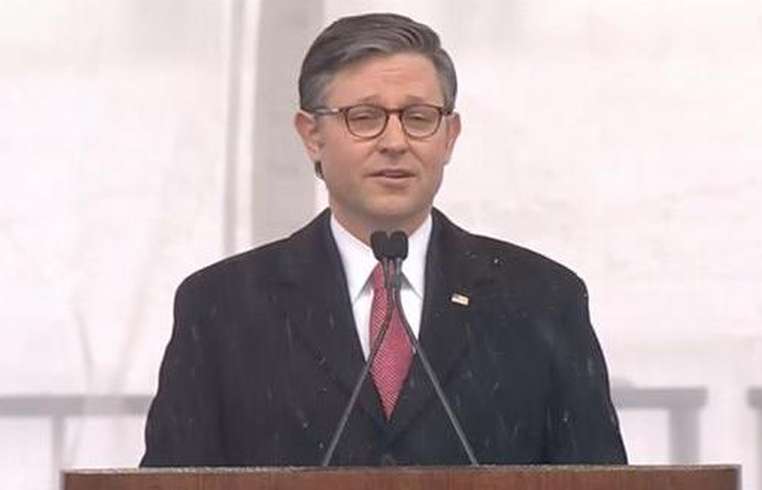
In Santa Fe, New Mexico, Archbishop John C. Wester addressed the controversial use of biblical scripture in political rhetoric, specifically focusing on Republican House Speaker Mike Johnson's defense of mass deportations under President Donald Trump. Johnson had responded to Pope Leo XIV's criticism by invoking biblical passages, stating that laws on immigration are supported by divine authority and are necessary for maintaining societal order. The speaker argued that the biblical mandate to welcome immigrants is a responsibility for individuals rather than governments and cited Romans 13, emphasizing the divine sanction of governmental authority, including the right to enforce border laws. Johnson's stance has sparked debate among religious leaders, who argue that the Bible's teachings on human dignity and compassion should guide immigration policies. Archbishop Wester, whose archdiocese is near the U.S.-Mexico border, issued a statement expressing concern over the interpretation of scripture to justify policies detrimental to the dignity and rights of migrants. Wester highlighted that while nations have a right to regulate borders, it should never come at the expense of human dignity and humanitarian values. He reiterated Catholic teachings, advocating for policies that embrace justice, mercy, and the common good, rather than reducing sacred texts to political tools. The debate underscores the theological tension between the application of Christian ethics in public policy and political frameworks, revealing a broader discussion over the intersection of faith and governance. Archbishop Wester calls for balanced immigration policies that prioritize compassion and the protection of human rights, emphasizing that strong policies should coexist with humane treatment. The U.S. Conference of Catholic Bishops and the Catechism of the Catholic Church advocate for compassionate policies towards immigrants, reflecting a complex interplay between national interests and ethical obligations rooted in faith. The controversy continues to highlight divergent perspectives on immigration within political and religious communities, challenging leaders to reconcile faith-based ethics with legislative responsibilities.
About usyoo

Categories
Tags