
News - Hadley Halts Sidewalk Snow Clearing Bylaw
Business Strategy
Hadley Halts Sidewalk Snow Clearing Bylaw
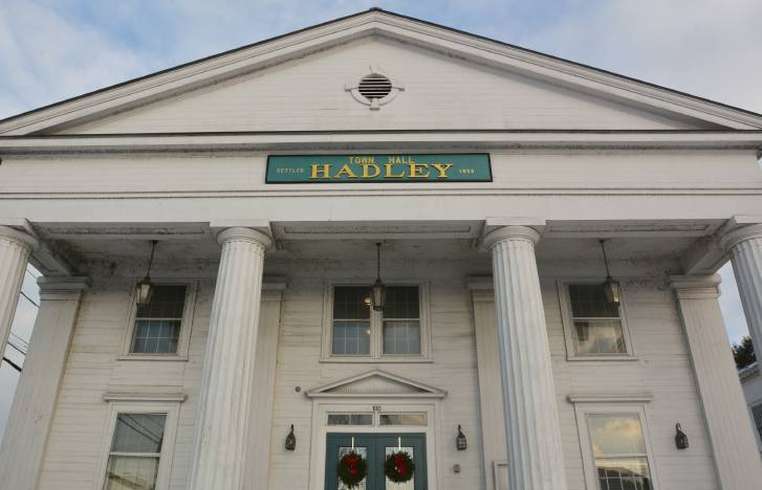
In Hadley, the Select Board has temporarily paused the enforcement of a controversial bylaw that requires property owners to clear snow and ice from adjacent sidewalks within 12 hours after a storm. This measure, initially approved to help offset municipal costs, faced opposition from residents and business owners who brought up legal and logistical concerns. Enforcement was scheduled to begin on February 1, and the directive involved potential fines ranging from $100 to $300. Chairman Randy Izer emphasized the necessity for legal clarity before moving forward, pointing out the risks of implementing the bylaw under the current guidelines. The confusion mainly stems from the bylaw's outdated descriptions of sidewalk materials such as stone, brick, concrete, or planks, making enforcement challenging in the modern context. This pause comes amid concerns from taxpayers that essential services might be reduced, but town officials feel pressured to review the bylaw in light of financial burdens. The Department of Public Works (DPW), led by Director Scott McCarthy, continues to plow sidewalks for safety, particularly those used by schoolchildren, while noting that delaying snow removal isn't practical. Despite ongoing services, officials are looking for cost-effective strategies to maintain sidewalks. The town's Bylaw Committee is tasked with reviewing the provision and preparing amendments for the annual Town Meeting. Finance Committee Chair Amy Fyden acknowledged the community's frustration over poor communication from Town Hall on the matter. DPW Director McCarthy highlighted the necessity for sustainable funding to clear all Hadley sidewalks, as future requirements remain uncertain—especially with upcoming changes due to the Route 9 reconstruction and potential loss of external plowing services. He mentioned challenges such as increased snow volumes that industry-standard equipment may not easily manage. With concerns over an unfunded mandate increasing, officials are debating the practicality and fairness of shifting municipal responsibilities to residents without substantial state support or funding. Addressing this ongoing issue requires balancing community expectations and fiscal constraints while ensuring public safety.
About usyoo

Categories
Tags