News - Game Off Steam as Shoulder Pad Infringement Row Erupts
Business Strategy
Game Off Steam as Shoulder Pad Infringement Row Erupts
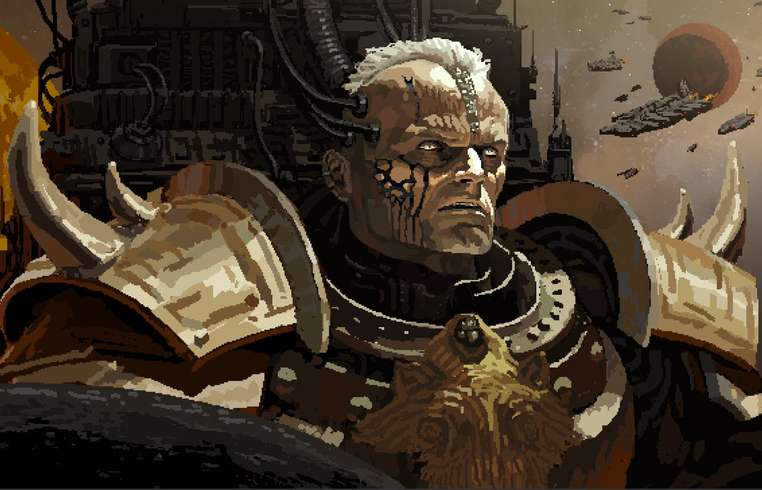
In an unexpected twist, tabletop giant Games Workshop recently targeted the video game Void War with a DMCA takedown, citing concerns over a specific shoulder pad design seen in one of the game's trailers. The controversy emerged as Games Workshop sought to protect its Warhammer 40,000 franchise, claiming the in-game imagery could mislead players into associating Void War with their brand. Initially, the DMCA notice was viewed as a frivolous claim, with skeptics pointing to the unusual name 'Mal Reynolds'—a nod to a character from the beloved sci-fi series Firefly—as the issuer. However, it was later confirmed that the notice indeed came from Games Workshop. Void War, developed by Tundra Interactive, draws heavy aesthetic inspiration from both indie hit FTL and the Warhammer 40,000 universe with its vast space settings, Imperial-like machinery, and disciplined warrior aesthetics. The game features characters and scenarios that mirror the signature elements of Warhammer 40,000's grim, futuristic setting. Tundra Interactive expressed surprise, receiving a message from Valve regarding the takedown, alerted by Games Workshop’s publicly available contact details yet cloaked under the alias 'Mal Reynolds.' Although perplexed by the initial claim, further communication confirmed Games Workshop's authorship, with concerns zeroing in on 'oversized convex shoulder pads with a metallic rim' seen in the trailer, reminiscent of the iconic Space Marine armor design. After receiving direct confirmation from Games Workshop, Tundra Interactive faced a difficult choice. Despite disagreeing with the infringement assertion, the developers opted to remove the concerning trailer to reinstate Void War on Steam, avoiding a prolonged legal skirmish over the intellectual property. They intend to edit the trailer for re-upload while shifting their focus back to enhancing the game itself, including crucial feature updates and expanded language support. This incident underscores Games Workshop's meticulous attention to its intellectual property, defending its trademarks with seriousness that has become characteristic over years of stewarding their famed 40K universe. For fans and developers alike, this serves as a reminder of the rigorous legal landscape surrounding intellectual homage and creative inspiration. For developers venturing into genres dominated by well-established franchises, the lesson is clear: even peripheral design aspects like shoulder pads may invite scrutiny, illustrating both the protective measures companies take over their creations and the fine line between homage and infringement. As for Void War, its return to the platform is a testament to the resilience of independent developers navigating these complex waters.
About usyoo

Categories
Tags