
News - The urgency for Xcel Energy's renewable incentives is increasing.
Business Strategy
The urgency for Xcel Energy's renewable incentives is increasing.
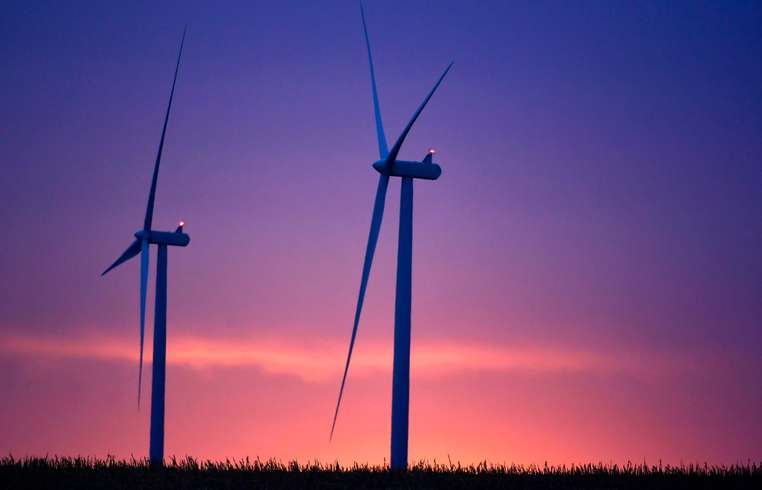
With significant stakes on the line, state agencies and developers in Colorado are pressing the Public Utilities Commission to swiftly approve Xcel Energy's ambitious proposal to harness new renewable energy facilities. As federal incentives poised to reach approximately $5 billion enter their sunset phase due to a legislative overhaul initially passed during the Trump administration, the urgency intensifies. The Colorado Energy Office, along with the Utility Consumer Advocate and the PUC staff, filed an emergency motion underscoring the importance of immediate action. Citing potential risks where delays could disrupt renewable projects and, by extension, cost Colorado accessible financial benefits and energy security, stakeholders are eager to bypass procedural hindrances. In an expedited effort, regulators had previously acceded to Xcel Energy's August request to speed up the review process of its proposal, which encompasses the addition of approximately 4,900 megawatts of power, predominantly from wind and solar sources. Each megawatt of this potential energy bounty translates into a feasible power supply solution for several hundred homes. Although the state agencies' recent emergency motion suggests that new procedural requirements have thrown a wrench into the streamlined adoption of energy resources, Xcel Energy voices a shared interest in the swift resolution of these proceedings. 'Time is of the essence,' the entity affirmed, pointing to the diminishing availability and accessibility of critical resources. The backdrop to this rush is a legislative pivot that accelerates the phase-out of Biden-era tax incentives, lifting the curtains for projects that secure their footing by the end of 2027 or begin construction pre-July 5. Catching this lifeline could notably catalyze economic growth, geographic diversity, and consistent energy reliability across Colorado. The call to action gains further momentum against the state backdrop, with Governor Jared Polis articulating a clear commitment to advancing clean energy infrastructures, eliminating bureaucratic delays, and unlocking available federal credits. As the Public Utilities Commission prepares to deliberate on this urgent appeal in its upcoming session, the gravity of the matter underscores the interconnectedness of regulatory agility, fiscal foresight, and sustainable infrastructure. For ongoing updates, consider subscribing to our Economy Now newsletter.
About usyoo

Categories
Tags