News - Iran-U.S. talks have collapsed due to deep divisions.
Business Strategy
Iran-U.S. talks have collapsed due to deep divisions.
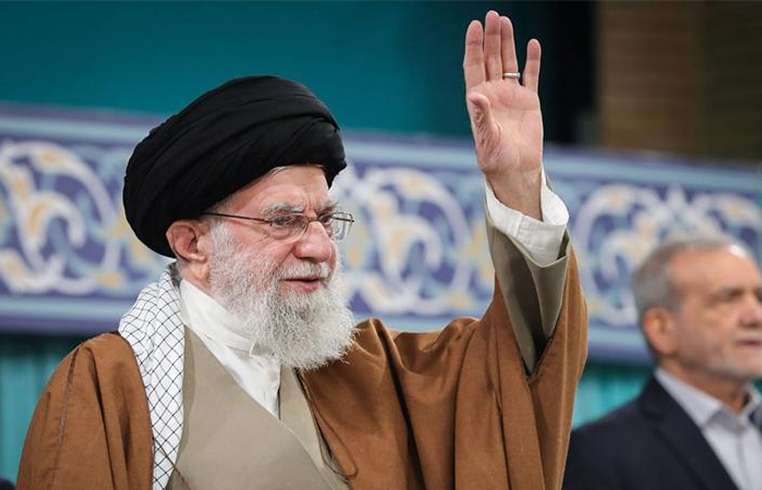
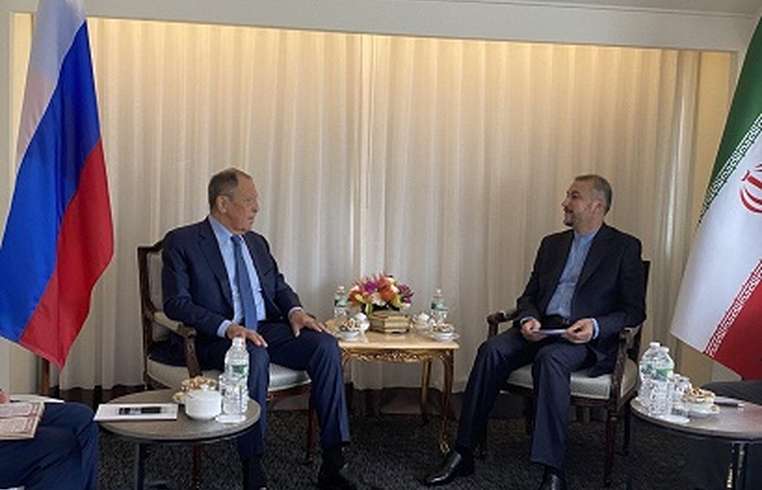
In the delicate dance of diplomacy that marks international relations, recent attempts by Iran and the United States to engage in negotiations have taken a significant setback. Efforts to bridge the deep divides between the two nations collapsed after Iran's insistence on focusing discussions solely on its nuclear program, a precondition Washington found unacceptable. This collapse of dialogue has not only dashed hopes for a peaceful resolution but has also increased the specter of potential military confrontation. Tensions are at an all-time high, with both nations maneuvering diplomatically and militarily. In Tehran, Ayatollah Khamenei has used this development as an opportunity to reinforce his rhetoric about the existential threats posed by the U.S. and Israel. He perceives these tensions as a means to consolidate his theocratic regime further. Meanwhile, domestically, President Pezekian is struggling to maintain his political foothold amid massive protests and a growing power struggle within Iran. The protests highlight widespread dissatisfaction with the current regime and its handling of international diplomacy. This internal strife, coupled with external pressures, compounded by the breakdown of talks, paints a precarious picture for Iran’s future, leaving the international community watching closely.
About usyoo

Categories
Tags