News - Trump Sets Conditions for Federal Intervention in Protests
Business Strategy
Trump Sets Conditions for Federal Intervention in Protests
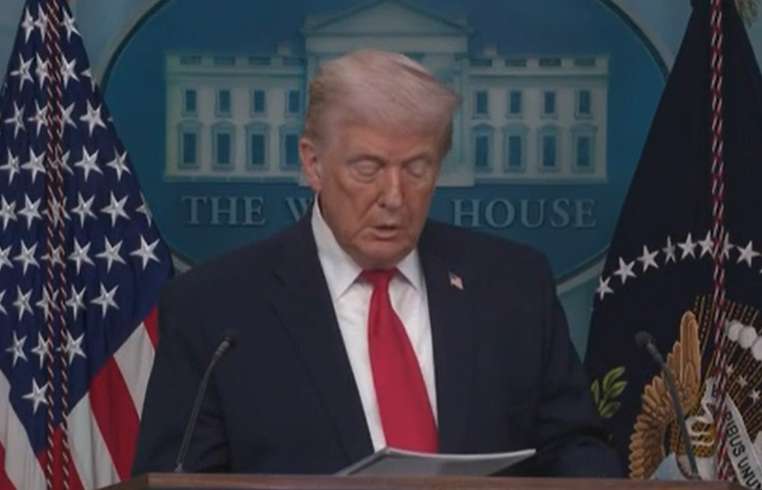
Onboard Air Force One, President Donald Trump declared that federal forces would refrain from stepping into protest scenarios in Democrat-led cities unless requested by local authorities. This directive follows criticisms of the administration’s immigration policies and tactics, notably after recent federal involvement in cities such as Washington, Los Angeles, Chicago, and Portland. Trump's announcement emphasizes a stance of non-intervention unless federal buildings are threatened, where he reassured that federal assets will be robustly defended. President Trump communicated these guidelines to Homeland Security Secretary Kristi Noem, highlighting a cautious approach to unilateral federal action. Critics argue that this stance allows for potential escalations, as evidenced by recent tensions in Minnesota, where enforcement actions drew state and local backlash, particularly after two individuals were fatally shot by federal officers. Despite the discord, legal challenges to halt enforcement operations have thus far been unsuccessful, with federal authorities labeling such lawsuits insignificant. As part of de-escalating tensions, Trump has considered equipping immigration enforcement with body cameras to potentially boost transparency and trust. While this proposal awaits further discussions with key figures in his administration, Trump is optimistic that such measures would largely benefit law enforcement, stating a belief in favorable outcomes for officers if documented incidences are showcased.
About usyoo

Categories
Tags