
News - Governor Hobbs Urges Retraction from AG Mayes on Controversial Remarks
Business Strategy
Governor Hobbs Urges Retraction from AG Mayes on Controversial Remarks
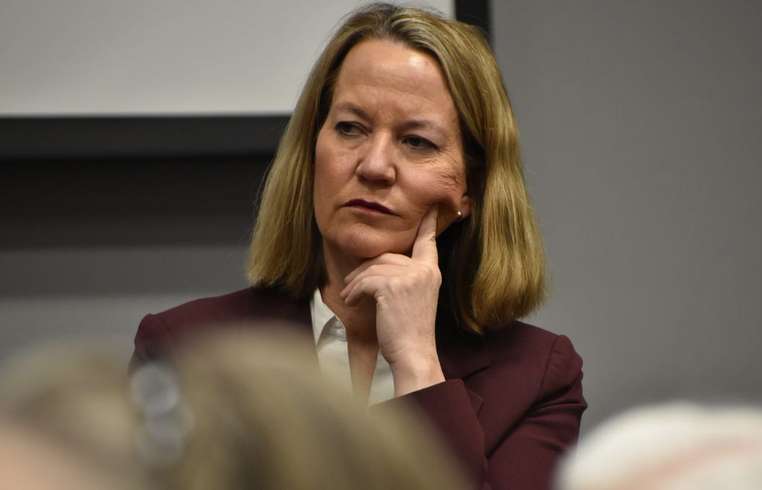
In a notable divergence from her party, Arizona Governor Katie Hobbs has publicly called for Attorney General Kris Mayes to retract comments that have sparked significant controversy regarding immigration enforcement and self-defense laws in the state. During a TV interview, Mayes expressed concerns about Arizona's gun culture and the increased activity of Immigration and Customs Enforcement (ICE), citing the state's 'stand your ground' law as potentially 'combustible.' These remarks have ignited a firestorm among Republicans and law enforcement groups, who interpreted them as suggesting harm against federal agents could be justified. In response, a symbolic resolution was passed by the Republican-majority state Senate urging Mayes to resign. Hobbs, breaking from the majority of her Democratic peers who have supported Mayes amidst the backlash, stated her belief that the comments were inappropriate and called for their retraction, emphasizing the need for careful language to avoid escalating potential violence amidst rising tensions. She noted the Attorney General's multiple clarifications but suggested they were insufficient given the widespread misunderstanding. Mayes, in a subsequent video statement, reaffirmed her commitment to law enforcement while maintaining criticism of what she termed aggressive federal enforcement tactics under the Trump administration. Her spokesperson defended her standpoint, asserting that Mayes' comments were misrepresented and sought to highlight challenges posed by federal actions to local and state law enforcement safety. The political context intensifies as both Hobbs and Mayes are up for reelection, with anticipated narrow race margins. Their differing campaign strategies underscore internal policy divisions, with Mayes adopting a confrontational stance toward federal policies while Hobbs remains moderate. The state Senate resolution against Mayes, though non-binding, underscores the political and legal complexities surrounding the issue, with discussions revealing deep partisan divides over law enforcement interpretation and public safety. The controversy exemplifies the delicate balance officials must maintain amidst legislative, law enforcement, and public pressures, highlighting the broader national conversation on immigration and public safety laws. The outcome of this political tussle will likely have significant implications for Arizona's future policy directions.
About usyoo

Categories
Tags