

News - Heightened Border Screening Amid Indian Nipah Virus Concerns
Business Strategy
Heightened Border Screening Amid Indian Nipah Virus Concerns
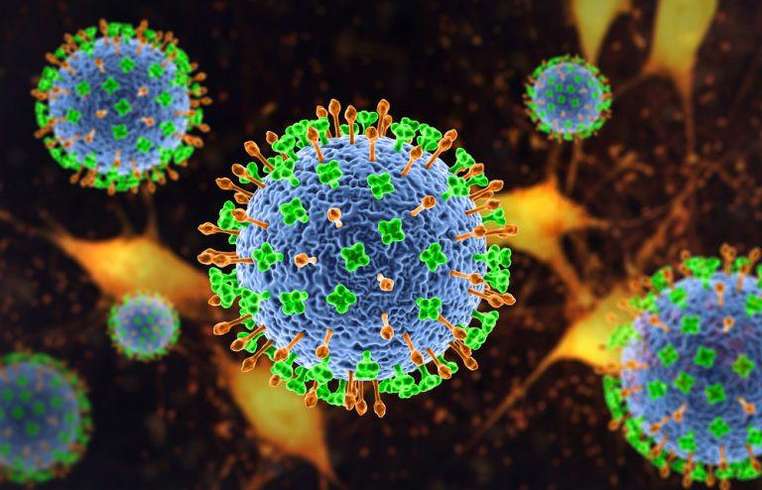
Amid the escalating situation concerning the Nipah virus in West Bengal, India, bordering and nearby Asian countries, including Nepal, Kyrgyzstan, Uzbekistan, and Kazakhstan, have implemented stricter border screening measures. These nations have established more rigorous health screenings and quarantine protocols aimed at curbing the spread of the Nipah virus, renowned for its high transmission rate and significant mortality ratio. Originating primarily from fruit bats, the Nipah virus poses a critical threat due to its ability to induce severe encephalitis in infected individuals, leading to complications that are often fatal. The World Health Organization has categorized it as one of the most dangerous pathogens, owing to its capacity to cause widespread epidemics in unprepared health systems. Despite ongoing research, a definitive vaccine or treatment for Nipah virus remains elusive, underscoring the importance of preventive control and rapid outbreak response strategies. Health authorities in affected areas have emphasized the necessity of vigorous monitoring and reporting procedures to prevent cross-border transmission. These countries' health departments are actively collaborating with international health organizations, including WHO, to establish an efficient framework for managing potential outbreaks. Efforts include enhancing public awareness, improving diagnostic capabilities, and fostering research collaborations to expedite the development of effective treatments. In India, amidst ongoing outbreak control efforts, the government has intensified public health advisories, advocating for reduced interaction with wild animals and emphasizing the significance of adhering to health guidelines. This includes wearing protective gear in vulnerable areas and ensuring rigorous hygiene practices among the populace. The Indian health ministry, working in conjunction with local authorities, is also spearheading initiatives aimed at monitoring wildlife populations closely linked to the virus, particularly fruit bats, through surveillance programs to preemptively identify and mitigate potential risk factors. As part of a collaborative approach, countries in this region are seeking to share data and strategies to optimize their response plans. Public health experts argue that integrated efforts and shared resources are imperative to effectively tackle the threat posed by the Nipah virus. This heightened vigilance underscores the global concern regarding emergent zoonotic viruses and the critical need for sustained preparedness and immediate action to adequately safeguard public health across borders.
About usyoo

Categories
Tags