News - Supreme Court Urged to Uphold Parental Rights Amid School Policies
Business Strategy
Supreme Court Urged to Uphold Parental Rights Amid School Policies
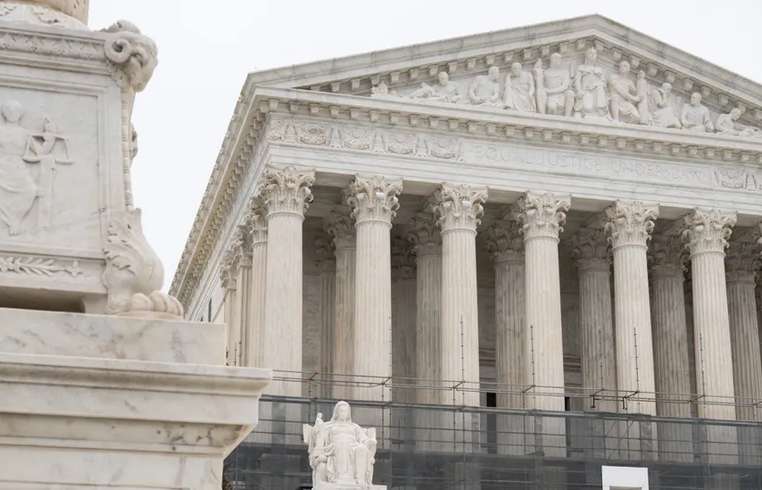
In a California case with significant implications for parental rights across the United States, the family of a young girl discovered her severe mental health struggles only after a suicide attempt—information that was withheld due to state legislation. This law requires schools to support students' social transitions in gender identity without involving parents, a practice parents argue infringes on their rights. The legal battleground is set in the form of Mirabelli v. Bonta, a class action lawsuit initiated by two Christian teachers who faced the denial of religious exemptions within the Escondido Union School District. The district's policy prioritizes student privacy over the religious convictions of the staff, mandating the use of preferred pronouns in school settings while insisting on the use of biological pronouns in parental communications. Parents subsequently joined the lawsuit, transforming it into a broader battle cry against policies they believe breach their foundational rights as guardians. Incidents like the Poe family’s case, where their child's mental health crisis was only revealed post-attempted suicide, underscore the stakes involved. A district court granted temporary relief from these gender policies; however, the Ninth Circuit imposed a stay, thus maintaining the policies' enforcement. This action counters the Supreme Court's established stance seen in cases like Mahmoud v. Taylor, which affirms parents’ rights to influence their children's upbringing—a principle reiterated in a 2000 ruling safeguarding the rights under the Fourteenth Amendment. Critics argue that the Ninth Circuit's interpretation dilutes the spirit of Supreme Court precedent, suggesting that opting out from governmental oversight should not be contingent solely on religious exemptions or financial capability. The disparity in rights for less affluent or non-religious parents highlights an ongoing nationwide concern over balancing educational practices with parental authority. Examining this case, the Supreme Court is positioned to reaffirm parental rights, potentially reversing the Ninth Circuit's decision. Such action would reinforce the legal standing that parents, regardless of socio-economic or religious background, retain authority over pivotal aspects of their children's development. Marc Wheat from Advancing American Freedom emphasizes the inherent political risk of undermining parental roles in American society's future generations. The case epitomizes a significant intersection of education policy, religious freedoms, and parental rights, setting a crucial precedent for future litigation. The discourse on this topic extends beyond legal boundaries into broader cultural narratives, necessitating a careful reassessment of policies that manage children's social and educational environments. By engaging with this issue, the Supreme Court could craft a more equitable legal framework for educational governance across diverse demographics. The Daily Caller News Foundation continues to offer independent reportage, fostering dialogue on pivotal civil liberties issues facing the nation today.
About usyoo

Categories
Tags