
News - A convicted man is set for release without revealing the victim's resting place.
Business Strategy
A convicted man is set for release without revealing the victim's resting place.
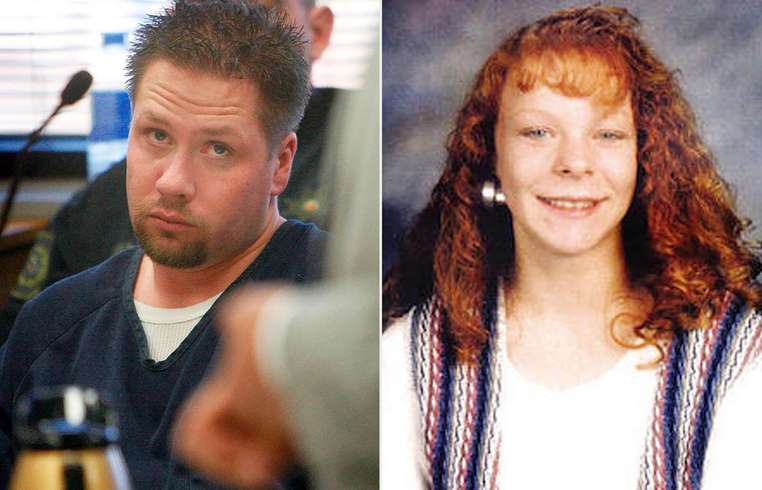
In a development that has stirred both pain and controversy, Timothy Brent Olsen, the man convicted of manslaughter in the 1995 disappearance of 15-year-old Kiplyn Davis, is scheduled for release from Utah State Prison. Olsen's release date is February 10th, after spending 15 years in custody. His case, shrouded in mystery and tragedy, began on May 2, 1995, when Kiplyn Davis vanished from Spanish Fork High School, leaving behind all her belongings in a school locker. It is believed that she left school grounds with Olsen and an unidentified individual. Olsen admitted in 2011 to involvement in her death, pleading guilty to manslaughter in exchange for a sentence of 1 to 15 years. Notably, his plea deal did not compel him to reveal where Davis's body is located, which has been a point of agony for her family, who remain without closure. Despite Olsen's assertion that another person struck Kiplyn with a rock, he has consistently refused to name the accomplice. His silence has been echoed by four other individuals, David Rucker Leifson, Scott Brunson, Garry Blackmore, and Christopher Neal Jeppson, all of whom were convicted of perjury during the investigation. They served lesser sentences after being implicated in creating false alibis and concealing the truth. In 2006, Olsen was additionally sentenced for perjury to 12 years in federal prison. In 2016, he was transferred from federal lockup to the Utah State Prison, where he has remained until now. Under Utah's legislative framework, disclosure of a homicide victim's remains can offset parole considerations, but Olsen's steadfast non-disclosure resulted in the fulfillment of his full term. The case remains unsolved as police and the Davis family yearn for answers. Her parents expressed a willingness to support Olsen's release if he could lead them to their daughter's remains, but no cooperation has been forthcoming. The Utah Department of Corrections has not commented on the release. As Olsen exits prison, Kiplyn's story continues to linger as an open wound in the community, highlighting perennial challenges in pursuit of justice for victims of crime.
About usyoo

Categories
Tags