News - The tradition of using parking space savers in Boston has reemerged following a recent snowstorm.
Business Strategy
The tradition of using parking space savers in Boston has reemerged following a recent snowstorm.
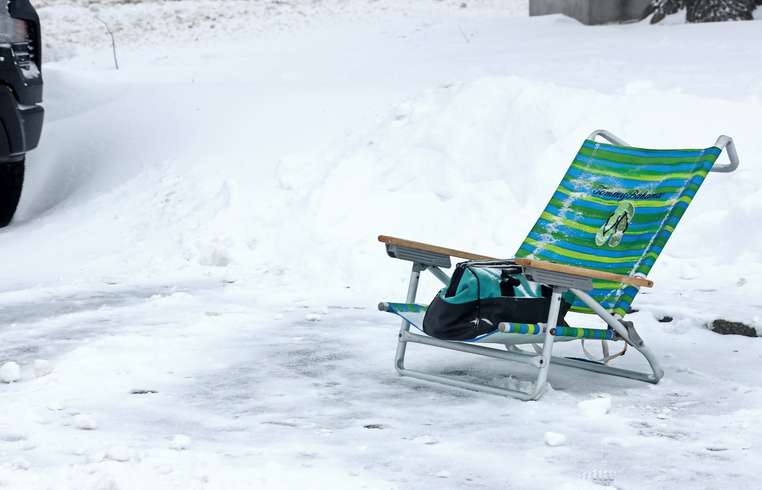
Despite the heavy snowstorm over the weekend, Boston Police have reported zero incidents or arrests related to the city's infamous parking space saver tradition. This winter custom, where residents use objects like cones, chairs, or even toilets to mark personal parking territories they've cleared of snow, has a storied history of leading to neighborhood skirmishes and, occasionally, violence. The tradition finds a split personality in neighborhood culture. While aimed at preserving personally cleared parking spaces, these 'space savers' have sparked altercations ranging from verbal disputes and property damage to violent confrontations. A notable episode in 2012 saw Carmen Andino sentenced for stabbing the original spot-shoveler over her moved space saver. In the aftermath of snowstorms, residents are required to remove these markers within 48 hours as per city ordinance from 2004, a legacy of former Mayor Thomas M. Menino. This law aimed to prevent the chaos of vandalized vehicles and neighborhood disputes following winter storms. Over the years, enforcement of this rule has varied. The City of Boston has sometimes extended the removal deadline, especially after severe storms, reflecting the evolving attitude toward space savers and community safety. Notably, the trend shifts in heavily populated neighborhoods, like the South End and Bay Village, where the practice is outright banned since 2015. Despite these bans, however, some incidents of space-saving and subsequent vandalism persist. Uncharacteristic snowfall recently returned this dynamic to the forefront, yet without incident—perhaps a testament to shifting norms or merely limited snowfall in recent years. As Boston navigates its largest snow challenge since early 2022, the city braces for the potential of future parking space conflicts.
About usyoo

Categories
Tags