News - House Republicans Enable Healthcare Subsidy Extension Amid Medicaid Misuse
Business Strategy
House Republicans Enable Healthcare Subsidy Extension Amid Medicaid Misuse
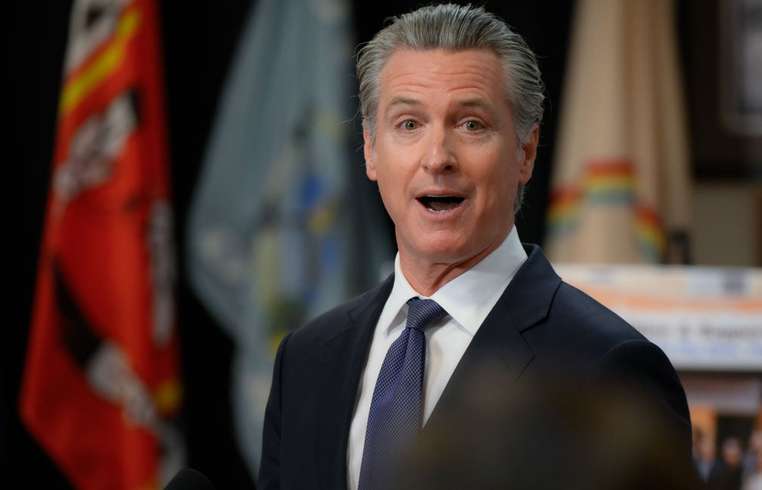
In a pivotal move, seventeen House Republicans recently aligned with California Democrats to approve the extension of enhanced Obamacare premium subsidies for a further three years. This decision pushes the subsidies closer to becoming a permanent entitlement, despite failing to implement critical reforms that could significantly reduce healthcare costs. A key reform ignored includes closing the Intergovernmental Transfer loophole, a mechanism that has historically burdened taxpayers by tens of billions. The controversial bill awaits Senate scrutiny, where there's a pressing need to resist such legislative expansion, which critics argue merely props up a faltering system, inflating health insurance premiums under the guise of support. These subsidies, critics claim, conceal real government-induced costs, impeding meaningful market reforms. The passage of the Affordable Care Act correlated with a hike in average family premiums to over $25,000 annually—an escalation uncurbed by government subsidies. Instead, these subsidies have cushioned insurers from competitive pricing pressures, delaying crucial structural reforms. California stands out in misusing these policies, clandestinely channeling billions in federal Medicaid funds through legalized budget manipulation, especially via the Intergovernmental Transfer loophole. Here, state-run entities send money to the state Medicaid program, which then claims this as state spending, prompting increased federal funding. Often, these funds return to the local providers with added bonuses, bypassing any tangible service improvements for patients, blatantly illustrated by California's recurrent budget deficits. Despite past warnings from the Government Accountability Office, Medicaid's misuse persists, with Paragon Institute highlighting an estimated $1.1 trillion in improper payments over a decade, predominantly implicating California under Governor Gavin Newsom's administration. In practice, public ambulance providers in California participating in these transfers garner over $1,000 per Medicaid transport, while private services receive a fraction. Consequentially, private providers exit the market, hurting rural accessibility and worsening public-sector dominance. Addressing these systemic issues necessitates ending Intergovernmental Transfer abuses, embracing transparency in Medicaid financing, and ensuring federal funds translate into real service delivery. Empowering patients remains crucial, emphasized in initiatives advocating no-limit Health Savings Accounts for Medicaid recipients, enabling direct payment and choice-driven healthcare management. Reforming Medicaid involves not just subsidy withdrawal but also integrating work incentives and time limits for able-bodied adults, aiming to enhance competition, transparency, and reduced dependency. The Senate is implored to resist turning pandemic subsidies into permanent measures, avoiding undue taxpayer bailouts for insurers. Instead, the focus should pivot to rectifying corrupt practices and economic distortions underlying escalating healthcare costs, fostering a system led by empowered patients over bureaucracies. A possible future in healthcare reform lies in letting subsidies lapse and terminating manipulative Medicaid practices, epitomized by California’s extensive shell games. This path promises improved patient autonomy and systemic integrity over perpetual fiscal patchworks.
About usyoo

Categories
Tags