
News - Federal scrutiny intensifies over ICE shooting of Renee Good
Business Strategy
Federal scrutiny intensifies over ICE shooting of Renee Good
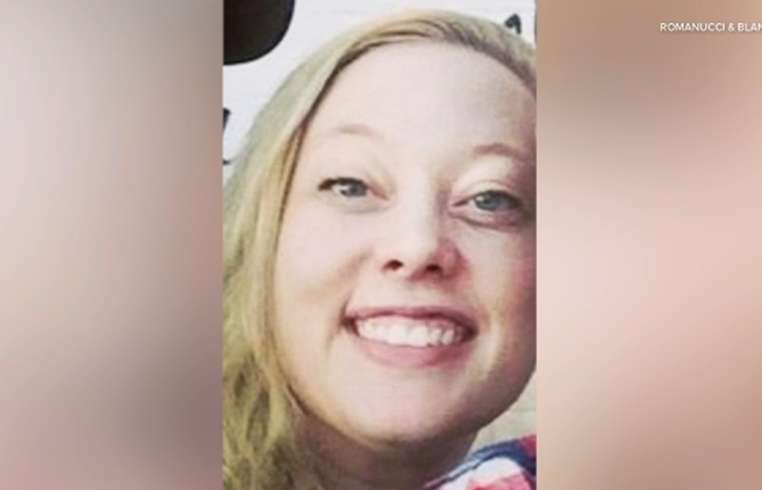
In a development stirring renewed attention, an independent autopsy of Renee Good, commissioned by her family's legal representatives, has shed light on the circumstances surrounding her death. Good, who was fatally shot by a federal immigration officer in Minneapolis, Minnesota, sustained three gunshot wounds as identified in the examination. These included shots to her left forearm, right breast, and a fatal shot to the head near her temple. The autopsy results match the observations documented by first responders at the scene. However, conflicting narratives persist. Despite federal claims that Good posed an imminent threat to the agent, her family and eyewitness accounts argue otherwise. Amidst mounting tension, the probe into this incident is widening. Federal prosecutors have dispatched grand jury subpoenas to numerous Minnesota officials, examining the potential interference with federal immigration actions by local authorities. The recipients include high-profile offices such as those of Governor Tim Walz, Attorney General Keith Ellison, and the mayors of Minneapolis and St. Paul, among others. This investigation, intimately linked to allegations around conspiracy statutes, seeks records on public pronouncements by these officials. The matter remains under wraps with limited information, shared under assurances of confidentiality, underscoring its sensitivity. These legal maneuvers, part of a larger narrative, point to a significant governmental inquiry into how state and federal jurisdiction intersects and clashes over immigration enforcement. As both sides await more revelations, this case continues to resonate, spotlighting the intricate dynamics between state rights and federal mandates in law enforcement.
About usyoo

Categories
Tags