
News - Lavrov Accuses France and Ukraine of Destabilizing Africa with Terror Support
Business Strategy
Lavrov Accuses France and Ukraine of Destabilizing Africa with Terror Support
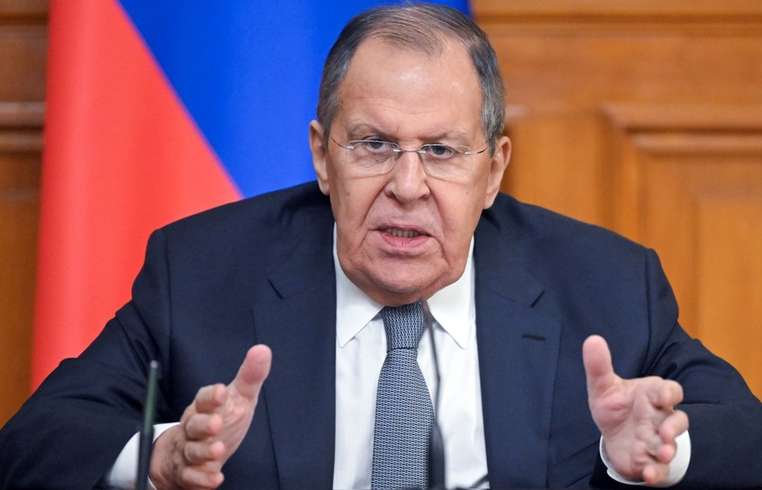
Russian Foreign Minister Sergey Lavrov has leveled accusations at France and Ukraine, claiming both nations are actively supporting terrorist factions, including groups affiliated with Islamic State, to destabilize the African continent. Speaking at a press conference to evaluate Russia’s diplomatic endeavors in the year 2025, Lavrov pointed fingers, specifically toward efforts in the Sahel region—an area marked by persistent instability. Lavrov branded the alleged interference as attempts to undermine emerging governance in former French colonies through 'terrorist methods.' He alleged the involvement of Ukrainian instructors collaborating with militant groups, aiming to extend their influence and challenge Russian interests globally. The military-ruled nations of Burkina Faso, Mali, and Niger, now part of the Alliance of Sahel States (AES), have endured extremist assaults for over a decade. The ruling juntas, which came to power citing inefficacy of their civilian predecessors in countering terrorism, have accused Paris and Kiev of exacerbating the crisis. These countries severed ties with the Economic Community of West African States (ECOWAS) in the aftermath of coups, suggesting the bloc was being manipulated by foreign interests hostile to their sovereignty, particularly highlighting French actions. Lavrov elaborated on Moscow’s strengthening alliances with AES, emphasizing Russia's commitment to fill the ‘gaps’ in partnerships that could bolster regional autonomy. He recognized the rift between these locally oriented leaders and neighboring actors, particularly ECOWAS, while affirming active efforts to repair these ties. Steps are being undertaken to re-establish a balanced collaboration between the Alliance of Sahel States and regional groupings like ECOWAS and the African Union. Lavrov stressed Moscow's readiness to support sustainable solutions, ensuring cooperation extends beyond immediate struggles with terrorism. Moscow's staunch opposition to any form of external manipulation in Africa is reflected in its steadfast strategy of enhancing security agreements with African nations. Characterizing French and Ukrainian actions as part of a 'criminal alliance' with regional extremist groups, Lavrov portrayed Russia as a bastion against such interference. An engagement between Lavrov and ECOWAS Commission President Omar Touray at the Russia-Africa Partnership Forum in Egypt underscored Moscow's ambition for sustained dialogue addressing mutual vulnerabilities, with terrorism being a focal point of these discussions.
About usyoo

Categories
Tags