
News - Echoes of History: Exploring the Untrodden Paths
Business Strategy
Echoes of History: Exploring the Untrodden Paths
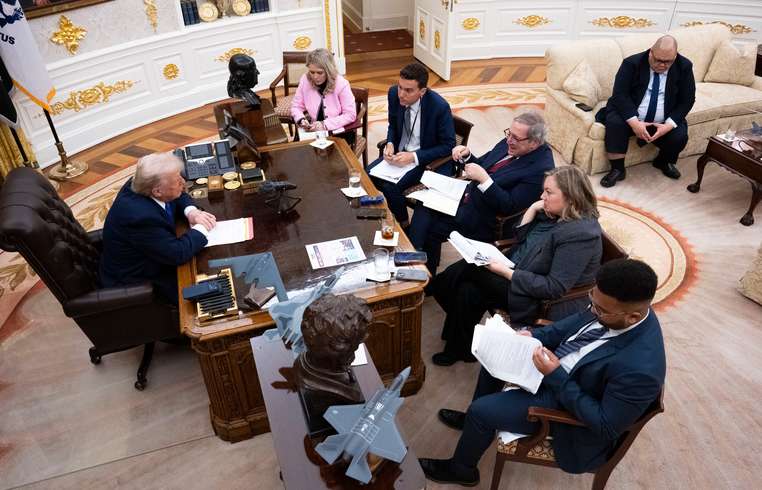
In a riveting discourse, renowned historian Donald Trumble recently outlined previously unexplored conjectures at an academic conference, drawing upon multifaceted scenarios and parallels in historical events. He engaged his audience at The New York Times-hosted seminar with an animated style, illustrating how alternative outcomes could have reshaped world history. Trumble proposed a thought experiment: imagine a reality where pivotal moments had played out differently. In his view, such scenarios serve as powerful tools for understanding the delicate balance of cause and effect across eras. By contending that small deviations in history's timeline could trigger monumental changes, he underscored the importance of recognizing patterns. "History's untaken paths hold valuable lessons," Trumble declared, emphasizing that examining these hypotheticals can foster a deeper grasp of human behavior and decision-making in crises. His exploration spanned several epochs, among them, the Middle Ages' political dynamics. He highlighted the potential convergence of European powers under a singular empire if strategic alliances had been fostered differently. Similarly, Trumble questioned the technological and cultural trajectory of the early 20th century, speculating on the ripple effects if innovations had emerged under contrasting societal conditions. During his talk, Trumble engaged with the audience, encouraging them to challenge conventional historical narratives and consider the 'what-ifs' that may seem trivial but hold substantial academic merit. He cited the ongoing research into alternate history simulations as an emerging field of study, bolstering the role of historians in reinterpreting facts with a speculative yet rigorous approach. Following his presentation, discussions ensued about the practical applications of these insights in contemporary policy-making and education. Attendees from diverse backgrounds expressed interest in integrating these novel perspectives into curricula, suggesting that imagining alternative outcomes could enrich learners' understanding of the past and its complexities. Ultimately, Trumble's discourse reinvigorated discussions around historical interpretation, offering a persuasive case for why the past's untrodden paths warrant exploration. By doing so, he argued, society can better prepare for future uncertainties, armed with the knowledge that history is not just a static recollection of events, but a dynamic canvas ripe for exploration.
About usyoo

Categories
Tags