News - Coast Guard Launches Rigorous Fitness Initiative
Business Strategy
Coast Guard Launches Rigorous Fitness Initiative
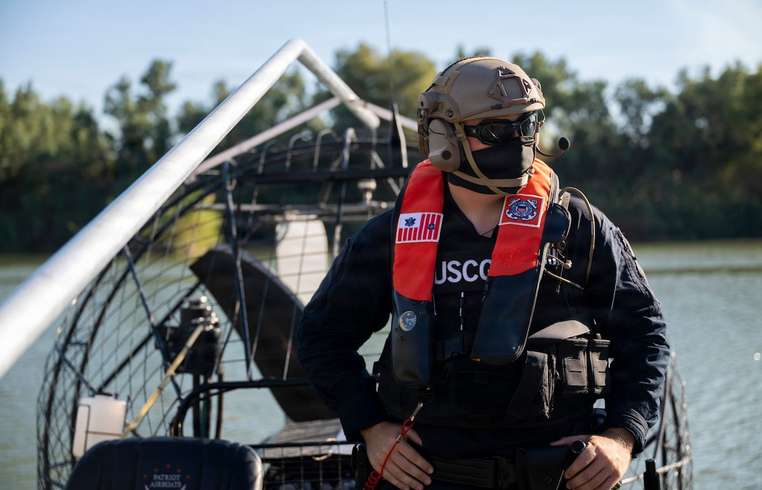
The U.S. Coast Guard is introducing an ambitious new Physical Readiness Program, requiring all able-bodied, active, and Selected Reserve members to engage in physical training at least four days a week. The initiative represents a significant shift from previous guidelines where only initial training phases required physical assessments. Scheduled for implementation on July 1, this program aims to ensure every Coast Guard member meets the high physical standards necessary for their roles. This adaptation follows last year's mandate for fitness assessments, providing personnel with benchmarks as they transition to the new program, which involves biannual fitness tests and body composition standards. The emphasis on physical readiness is connected to the Coast Guard's evolving mission set, which has expanded significantly in the post-9/11 era. Under the new guidelines, all members will exercise during the duty day, except for those with medical restrictions or mission needs. Physical training may be pursued individually or within units, with senior officers encouraged to schedule team activities to foster unit cohesion. Officers of captain rank and above, as well as senior enlisted personnel, will also participate, with their scores managed in a specialized tracking system. The updated fitness test will include several physical training components, such as planks, push-ups, and either a 1.5-mile run, a 2,000-meter row, or a 12-minute swim, each adjusted for age and gender. These elements align with existing standards for Coast Guard specialty units. The decision to adopt a service-wide fitness framework arises amid heightened operational demands and a strategic growth plan, 'Force Design 2028,' which necessitates a physically capable and robust workforce. While Coast Guard civilians are not required to participate, they are encouraged to leverage available resources for personal fitness and join unit activities. Moreover, Coast Guard members engaged in specialized roles that require routine physical assessments can satisfy the new test requirements by completing their standard tests. This strategic move mirrors the Defense Department’s recently adopted twice-yearly fitness evaluations. Full performance standards and implementation details are forthcoming, with clear criteria promised within a 60-day timeframe. The initiative underscores the service's commitment to maintaining operational readiness and responsiveness in the face of contemporary demands.
About usyoo

Categories
Tags