
News - California Ends Legal Fight Over High-Speed Rail Fund Reduction
Business Strategy
California Ends Legal Fight Over High-Speed Rail Fund Reduction
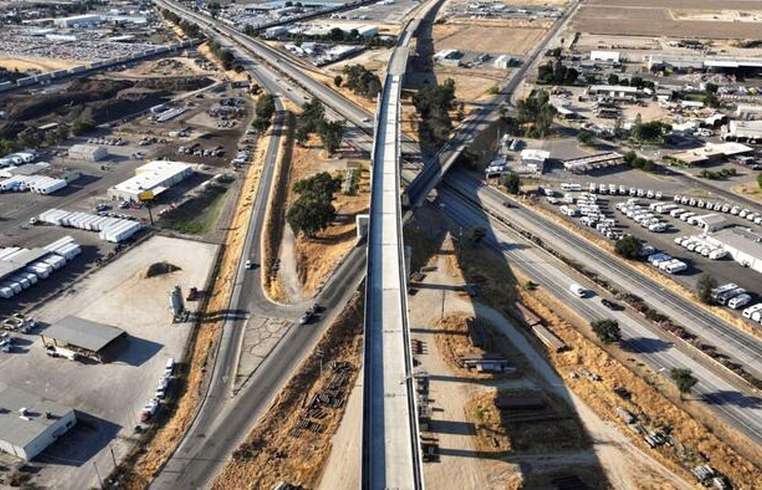
In a strategic move, California has opted to drop its lawsuit against the Trump administration, which was initiated over the decision to withdraw $4 billion in funding promised for the state's ambitious and long-delayed high-speed rail project. This decision to dismiss the case voluntarily was filed by the California High-Speed Rail Authority in the U.S. District Court for the Eastern District of California, notably without prejudice, keeping the door open for potential legal actions in the future. The turnaround comes just weeks after U.S. District Judge Dale Drozd dismissed the Department of Justice's argument that the case should be heard in the U.S. Court of Federal Claims instead. The withdrawal of financial aid by the U.S. Department of Transportation, publicly executed in July, was due to claims that California lacked a "viable plan" for completing a significant part of the rail project, especially the segment planned through the state’s Central Valley. Critics, including President Trump and Secretary of Transportation Sean Duffy, have disparaged the project as a "train to nowhere," citing its massive delays and increased costs. Initially approved by California voters through a $10 billion bond in 2008, the high-speed rail project was projected at $33 billion with a 2020 completion date. However, current estimates inflate the costs to between $89 billion and $128 billion, with a new expected completion date in 2033. So far, the project has seen 50 pivotal infrastructure developments, such as bridges and guideways, completed over a 70-mile stretch. The lawsuit previously claimed political retaliation from the Trump administration, especially after California opposed the border wall emergency declaration. Despite meeting all federal requirements according to multiple reviews, the High-Speed Rail Authority is now looking towards alternate funding. Ian Choudri, the authority’s CEO, noted plans initiated on Dec. 19 to engage private investors in an effort to propel California’s visionary rail project forward. California’s withdrawal from the lawsuit reflects a deeper sentiment that federal involvement has often led to needless complications and delays. A spokesperson emphasized this view, pointing to a lack of constructive partnership from the federal side. Efforts will now focus on innovative, economical collaborations with the private sector to bring California's transformative high-speed rail dream to fruition.
About usyoo

Categories
Tags