
News - Baku Court Proceedings Stir International Concern
Business Strategy
Baku Court Proceedings Stir International Concern
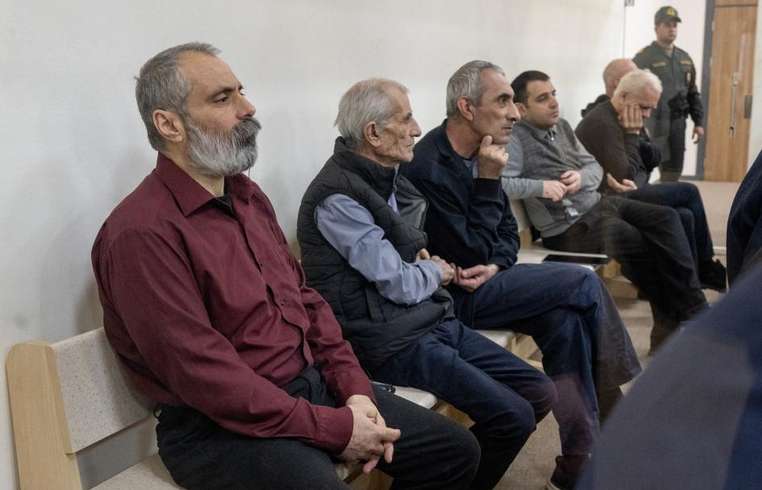
The unfolding and highly sensitive trial of Artsakh leaders, conducted in Baku, continues to involve complex legal and political dynamics. Presiding Judge Zeynul Aghayev led the December 26 hearing, where the primary focus remained on the fates of former Artsakh defense and government officials. These figures, instrumental in the region's prior administration, are now facing grave allegations, including illegal military activities and terrorism, leveled by Azerbaijani authorities. Observers note that this trial not only impacts the defendants but also holds implications for regional stability and the future of Armenian-Azerbaijani relations. At the heart of the case, defendants such as David Ishkhanyan, the erstwhile President of Artsakh's National Assembly, vociferously refuted the accusations, maintaining a plea of total innocence. Their legal counsel has pointedly criticized the fairness of the proceedings, highlighting the exclusion of international media and observers, what the representatives term a controlled narrative by Baku. These concerns about transparency have resonated globally, with several international human rights organizations expressing alarm over potential legal improprieties and the broader notion of justice being served. The charged atmosphere within the court was echoed outside by demonstrators advocating for the release of the accused or drawing attention to alleged human rights abuses in captivity. The political undertones of the trial are undeniable, and the outcome could amplify or defuse existing geopolitical tensions. Meanwhile, the judges have retreated to deliberate the verdict, with the looming possibility of life sentences casting a shadow over the halls of justice. As the world watches, the resolution of this high-stakes trial is awaited anxiously, as it could shape not only the lives of those on trial but also influence future dialogues and resolutions in a region fraught with historical conflicts and complex diplomatic ties.
About usyoo

Categories
Tags