News - US Strikes ISIS Strongholds in Nigeria Amid Christian Persecution Concerns
Business Strategy
US Strikes ISIS Strongholds in Nigeria Amid Christian Persecution Concerns
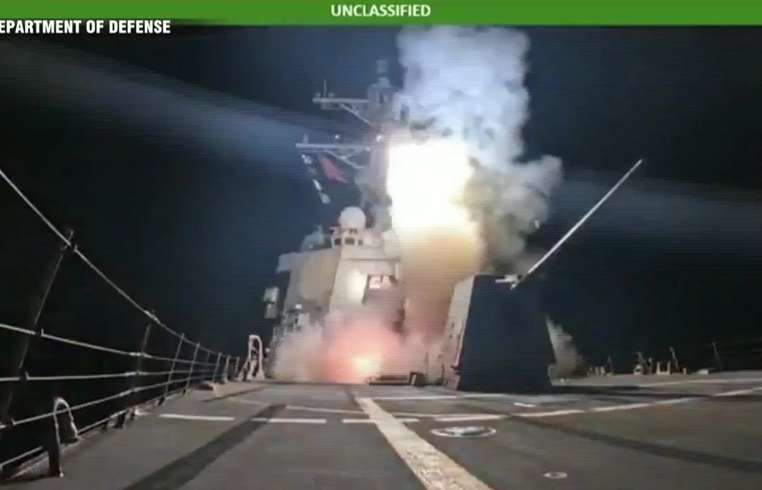
In an unexpected turn of events on Christmas Day, President Donald Trump authorized a potent military strike on ISIS targets in Nigeria, aiming to curb the acts of violence against Christians led by extremist factions. This operation marked a significant collaboration between the US and Nigerian governments after weeks of official criticism from Trump, who accused Nigeria of failing to protect its Christian population. The strikes were conducted at the behest of Nigerian authorities in Soboto State and resulted in the elimination of multiple ISIS operatives, according to US Africa Command. President Trump’s social media announcement expressed his firm stance against the 'vicious killing' of Christians and asserted the success of 'numerous perfect strikes.' The action underscored the US commitment to religious freedom and reinforced Trump's earlier warnings directed at ISIS attackers. A Defense Department insider, who withheld their identity to discuss undisclosed details, noted the strategic intelligence exchange and cooperative planning between the US and Nigerian military forces, upholding both nations' dedication to sovereignty and regional security. This recent operation aligns with measures from the US, such as visa restrictions for those involved in violence against Christians in Nigeria and the country being designated as a 'country of particular concern' by the International Religious Freedom Act. These developments occur amid Nigeria's complex security landscape, affected by religiously motivated attacks affecting both Christians and Muslims, as well as clashes rooted in ethnic and resource-based disputes. Nigeria’s population of 220 million is evenly divided between these two major religious groups and has been besieged by various extremist threats, prominently from Boko Haram. US military engagements in Africa have recently been scaled back, prompting questions about future involvement in the region. Nevertheless, Secretary of Defense Pete Hegseth reaffirmed on social media that the US military stands ready to combat terrorism, acknowledging the coordinated efforts with Nigeria and hinting at continued operations. Given the intricate web of Nigeria's internal strife, efforts to address religious violence and security issues are poised to require sustained international collaborations.
About usyoo

Categories
Tags