
News - Christmas: Cultural Heritage or Political Battleground?
Business Strategy
Christmas: Cultural Heritage or Political Battleground?
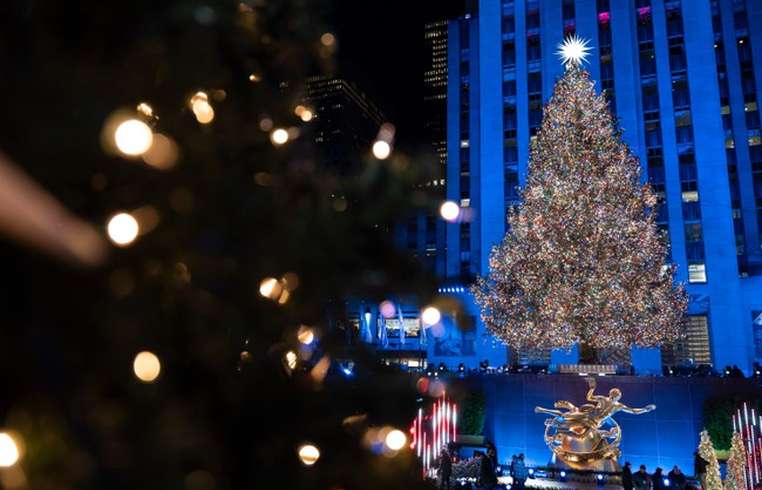
Europe's Christmas traditions have evolved into a new platform for cultural and political debate. Across the continent, far-right parties have positioned themselves as defenders of what they consider an endangered cultural symbol—Christmas—claiming it as a representation of a Christian civilization under attack. This rhetoric echoes Fox News' 'War on Christmas' narrative in the U.S., which depicted the holiday as a cultural stand against liberal secularism. In Europe, figures like Italy's Prime Minister Giorgia Meloni have placed the defense of Christmas traditions at the heart of their political identity. Meloni often presents Christmas as a crucial part of Italy's cultural heritage, opposing what she sees as ideologically motivated attempts to diminish its significance. Advocating for the holiday's traditional values and religious narratives, Meloni maintains that nativity scenes and religious expressions in public life are essential to societal identity. Amidst these debates, Christmas continues its long-celebrated history among billions worldwide, regardless of political discourse. The ideological clash over the holiday highlights broader tensions between tradition and secularism across Europe, showcasing different perspectives on cultural preservation versus progressive inclusivity. While some view these assertions as necessary defenses of tradition, others see them as divisive attempts to politicize cultural practices. As the holiday season progresses, families across Europe and beyond may find themselves navigating these complex cultural narratives as they strive to celebrate Christmas in line with their personal, familial, or cultural customs. While political rhetoric might emphasize views on exclusive ownership of cultural symbols, the essence of Christmas remains a powerful reflection of both diversity and unity in its global celebration.
About usyoo

Categories
Tags