

News - Over 100 illegal immigrant truck drivers arrested in major highway operation.
Business Strategy
Over 100 illegal immigrant truck drivers arrested in major highway operation.
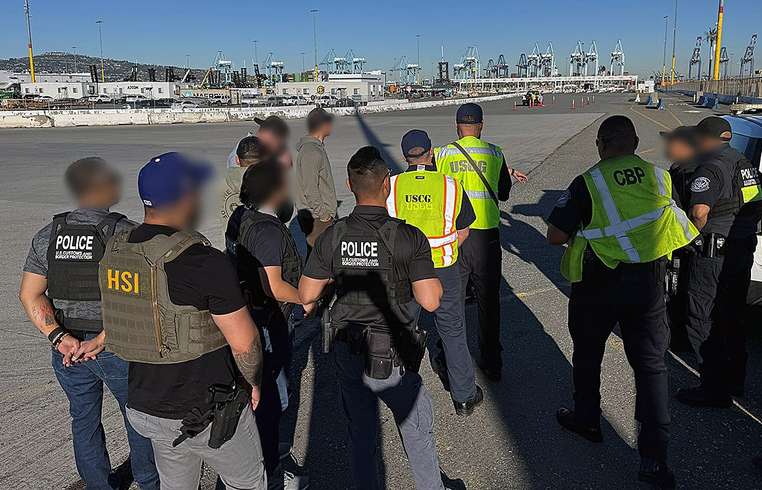
In a sweeping action titled 'Operation Highway Sentinel,' U.S. Immigration and Customs Enforcement (ICE) has taken measures to tackle the perceived risk posed by illegal alien truck drivers. The operation, launched in response to multiple fatal crashes, resulted in the arrest of over 100 individuals operating commercial vehicles on California highways. Many of these drivers had obtained their commercial driving licenses (CDLs) in California, although their ability to understand English and road signs was questioned. The operation was instigated subsequent to a series of deadly accidents involving truck drivers with CDLs issued under Governor Gavin Newsom's jurisdiction. Federal authorities argue that such licensing policies are threatening nationwide road safety. Arrested individuals hailed from countries including India, Mexico, Colombia, Uzbekistan, Ukraine, and several others, underscoring the diverse background of those implicated. ICE Deputy Director Madison Sheahan criticized California's licensing approach, stating it endangers American lives by allowing individuals without adequate driving capabilities to operate massive vehicles. The operation took place alongside other similar enforcement actions in Indiana and Oklahoma, which collectively aim to remove dangerous illegal alien drivers from public roads. ICE’s actions reflect broader concerns about criminal activities linked to the trucking industry, such as human and drug trafficking. In California’s Central Valley, the focus was on trucking enterprises suspected of engaging in illicit activities. Among the highlighted cases is the tragedy involving Indian national Harjinder Singh, whose unlawful U-turn in Florida with an 18-wheeler resulted in a deadly collision. The Florida Attorney General has responded by legally challenging California and Washington State’s practices of issuing CDLs to individuals not meeting federal safety regulations. This court case could redefine state compliance standards concerning federal safety and immigration guidelines. As federal efforts continue, the operation has sparked renewed dialogue regarding the responsibility of state governments in ensuring public safety through their licensing protocols.
About usyoo

Categories
Tags