
News - London Welcomes Baidu's Robotaxis Through Uber and Lyft
Business Strategy
London Welcomes Baidu's Robotaxis Through Uber and Lyft
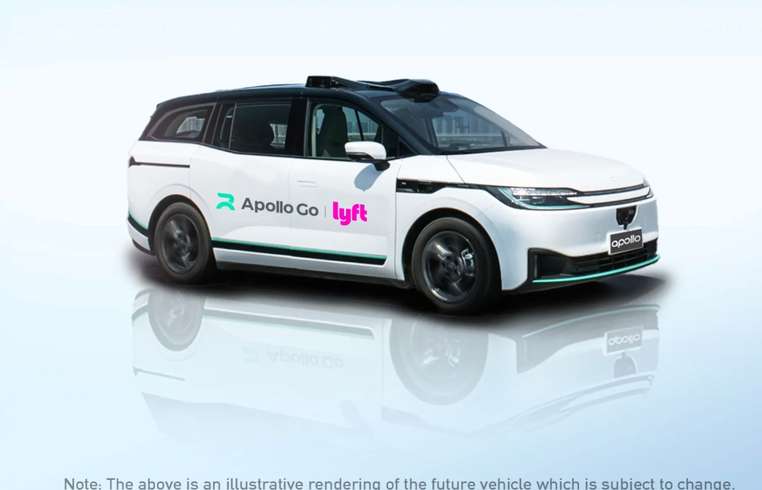
In a groundbreaking expansion for the autonomous vehicle industry, Uber and Lyft have announced they will begin testing Baidu's Apollo Go robotaxis in London starting in 2026. These trials will position the companies alongside other prominent players such as Waymo and local entity Wayve, all of whom are spearheading next-generation transportation solutions within the city. David Risher, the CEO of Lyft, shared via social media platforms X and LinkedIn that the initiative is pending regulatory approvals. Once greenlit, Lyft intends to expedite the deployment, eventually scaling up to a sizeable fleet of 'hundreds' of Baidu's electric RT6 SUVs. However, Risher has refrained from specifying an exact timeline for commercial commencement. Not wanting to be left behind, Uber has similarly announced plans to integrate these automated vehicles as part of its London operations. Tying these developments back to a prior agreement with Baidu disclosed in July, Uber aims to initiate trials in the early months of 2026. These strategic rollouts in London underscore a broader trend within the ride-hailing industry where firms like Uber and Lyft actively seek alliances with cutting-edge technology partners such as Baidu and Waymo. The aim is to develop robust autonomous vehicle capabilities and deploy these innovations across key urban markets globally.
About usyoo

Categories
Tags