News - Tech companies advise H-1B workers against travel amid visa delays
Business Strategy
Tech companies advise H-1B workers against travel amid visa delays
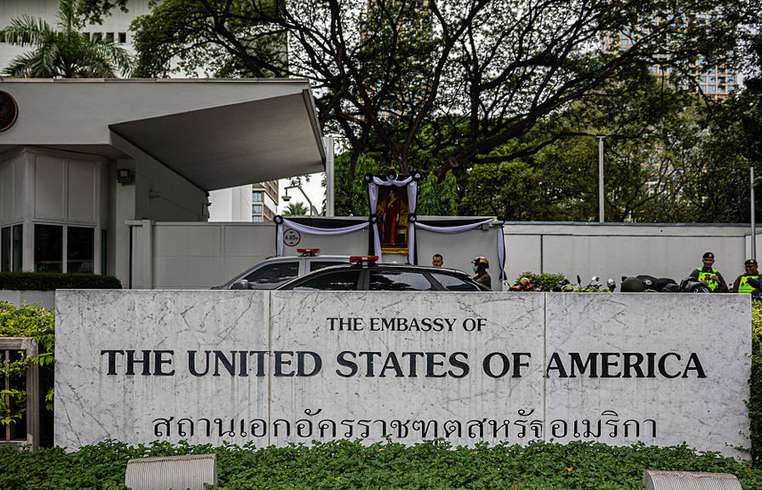
Amid President Trump’s tightened immigration policies, leading U.S. tech corporations—Google, Apple, Microsoft, and others—are warning their H-1B visa-holding employees to stay put within the U.S. Prominent firms have issued internal guidance against overseas travel due to prolonged processing times at U.S. embassies caused by a newly introduced social media screening policy. This policy affects H-1B visa workers, their dependents, and other non-immigrant visa categories such as students and exchange visitors. The H-1B visa facilitates foreign nationals in specialized fields to work in the United States, typically for a period of up to three years. Extensions necessitate a new visa stamp, which has become entangled in extensive wait times at embassies. According to Business Insider’s sources within the tech sector, companies like IT giant ServiceNow and immigration law firms—such as BAL Immigration Law representing Google—have highlighted that visa processing can now exceed a year in some locations. In response, Google, Apple, and other corporate giants have circulated recommendations to defer any non-essential international travel. Employees who travel may face the possibility of lengthy stays abroad, complicating both personal and professional obligations. Apple's directive to its staff urges those without a stamped visa to rethink travel plans. Echoing this sentiment, Microsoft has advised staff still residing in the United States to reconsider any pre-planned travel itineraries to prevent getting stranded overseas. The State Department has confirmed prioritizing the thorough vetting process of visas, aligning with the administration’s broader border security agenda. President Trump, following recent acts of violence linked to immigration loopholes, has reinforced his administration's stance, which now includes a freeze on the Diversity Immigrant Visa (DV-1) program, known commonly as the Green Card Lottery. Under this program, individuals from countries with low rates of immigration to the U.S. were eligible to receive visas. However, security concerns have resulted in its suspension after recent investigations linked certain criminal actions to beneficiaries of this program. These moves come as part of Trump's broader bid to impose stricter control over U.S. immigration, claiming the measures are necessary to ensure national security. The emphasis on heightened screening aims to close perceived gaps in the system following incidents involving foreign nationals. This has profound implications for the U.S. technology sector, heavily reliant on high-skilled international talent brought in through visa channels.
About usyoo

Categories
Tags