News - Pashinyan Advocates for Balanced EAEU Integration
Business Strategy
Pashinyan Advocates for Balanced EAEU Integration
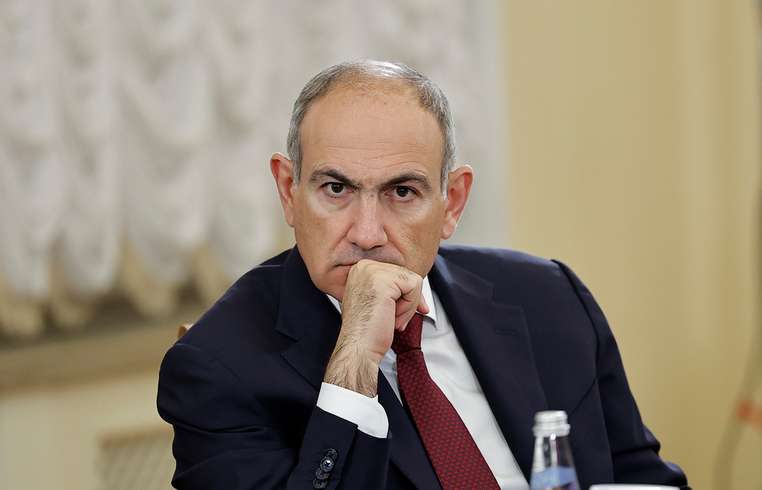
On December 21st in Yerevan, Armenian Prime Minister Nikol Pashinyan participated in the latest session of the Supreme Eurasian Economic Council in St. Petersburg. During the meeting, Pashinyan summarized the progress of Eurasian economic integration strategies up to 2025, emphasizing the importance of clear distinctions between national competencies and supranational mechanisms. This approach is crucial to maintaining the sustainability of integration processes. The Armenian Prime Minister highlighted that expanding international cooperation with key partners such as Iran, UAE, Mongolia, China, and India is helping open new markets, diversifying trade, and strengthening the EAEU's presence in the global economy. Pashinyan also welcomed the signing of the EAEU Free Trade Agreement with Indonesia, illustrating Armenia's commitment to constructive dialogue with observer states expressing a strong interest in engagement with the union. The Prime Minister underscored that ensuring the unimpeded functioning of the internal market remains a priority for integration, necessitating the elimination of barriers, digitization, regulatory simplification, and equal business conditions. He advocated for enhanced cooperation to tackle sensitive issues through mutually acceptable agreements and highlighted the potential of transport and logistics cooperation based on mutual benefit, equality, sovereignty, and national jurisdictions. In addition to economic policies, Pashinyan stressed the growing significance of the service sector, which forms a substantial part of GDP and employment in EAEU countries. He argued for more dynamic sector development as it directly influences the economic growth of union member states. Digitalization was a critical focus area too, deemed necessary for sustainable development, particularly through the introduction of digital technologies in electronic commerce. Developing transparency in the traceability and marking of goods was identified as a key direction for integration this year. By enhancing marking systems and integrating fiscal systems of member states digitally, the EAEU aims to improve tax administration efficiency and reduce the shadow economy. Measures to ensure fair competition and protect the internal market of the EAEU are directed at supporting honest business conduct while reducing administrative burdens on businesses. Lastly, the tourism sector significantly contributes to the economies of EAEU countries, with the recently adopted Concept of Tourism Development expected to boost mutual tourist flows. Pashinyan reiterated Armenia's readiness for mutually beneficial cooperation within the EAEU, aligned with the goal of economic stability and sustainable regional development.
About usyoo

Categories
Tags