
News - Nativity Scene Standoff: Mullins Faces Holiday Display Dilemma
Business Strategy
Nativity Scene Standoff: Mullins Faces Holiday Display Dilemma
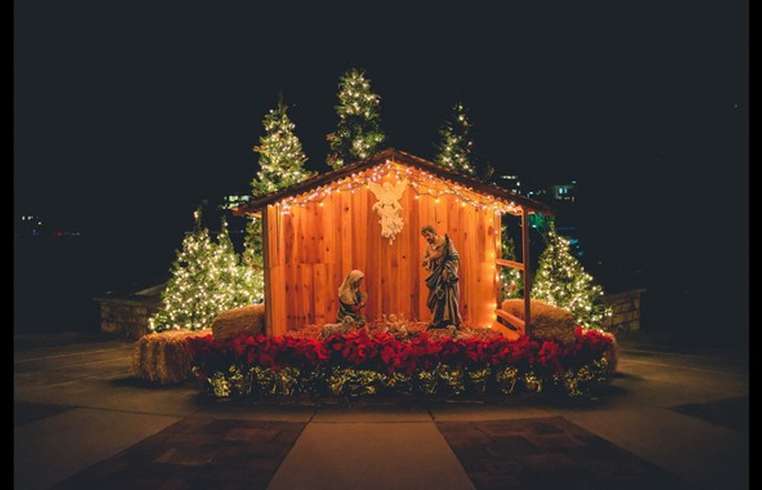
In Mullins, South Carolina, a simmering 'War on Christmas' has erupted as Democrat Mayor Miko Pickett ordered the removal of a Nativity scene from a public marketplace parking lot, citing concerns over respecting the separation of church and state. The small town, renowned for its tight-knit, faith-based community nestled in the Bible Belt, found itself in the grip of a festive debate pitting tradition against modern interpretations of constitutional boundaries. The Mullins Beautification Committee, responsible for the holiday displays and seeking to infuse the downtown area with seasonal cheer, has stood firm in its decision to keep the Nativity scene in place. The committee's head, Kimberly Byrd, expressed disbelief and disappointment over the mayor’s directive, arguing that their efforts aimed to promote community spirit and support local businesses during the holiday rush. “The essence of Christmas, as we’ve always celebrated, has been about Jesus Christ’s birth,” Byrd stated, emphasizing the town’s longstanding celebrations reflecting its religious roots. Following the mayor's decision, Byrd and several non-partisan city council members joined voices in challenging Pickett's mandate. Mayor Pickett elaborated on her stance via social media, clarifying her request as a measure to ensure inclusivity and prevent potential alienation of residents with diverse faiths. Her statement sparked a broader conversation about the nature and implications of church-state separations, especially within communities with deeply rooted religious connections. Despite the turmoil, legal precedents like the 1984 U.S. Supreme Court decision in Lynch v. Donnelly suggest that Nativity scenes, when part of a broader holiday display, do not contravene constitutional guidelines. Byrd and the committee drew strength from this historical context, underscoring the legitimacy of their cause. As the community navigates the intersection of holiday traditions and inclusive practices, the Nativity scene saga illuminates ongoing dialogues on how public spaces can honor both heritage and diversity. This clash of ideals raises questions about the nature of inclusive celebrations and the limits of public policy regarding religious symbols. Ultimately, the spirit of the season continues to foster heated discussions in Mullins, as residents reflect on finding balance between celebrating shared traditions and embracing diverse beliefs.
About usyoo

Categories
Tags