

News - Investigating the Mysteries in the Brown-MIT Shooting: Suspect Found Dead
Business Strategy
Investigating the Mysteries in the Brown-MIT Shooting: Suspect Found Dead
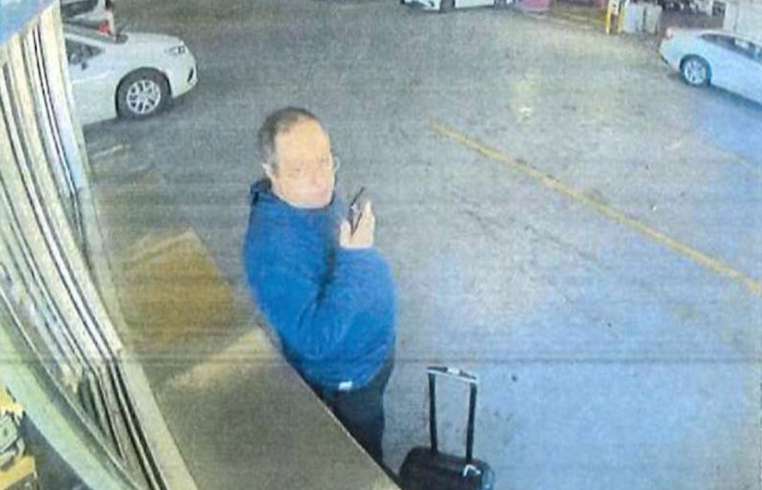
The sudden death of Neves Valente, suspected in the MIT supplemental shooting incident, presents a puzzle yet to be fully understood. Key aspects remain obscure, notably his motive, a focal point for ongoing investigations by authorities. Emerging connections reveal that both Valente and his alleged victim, Loureiro, had overlapping academic paths, studying physics during the same period in the 1990s at a university in Portugal. Speculation swirls around their relationship, with Leah Foley, U.S. attorney for the District of Massachusetts, confirming their acquaintance, fueling further intrigue into their shared past. The case not only captivated national interest due to its shocking nature but also because of investigative missteps. Police initially misidentified a suspect, which precipitated a rash response as law enforcement continued their manhunt. The oversight drew heavy scrutiny and public rebuke directed at the local force, a matter openly addressed by Providence Police Chief Col. Oscar L. Perez Jr. Perez defended the meticulous nature required in criminal investigations, emphasizing that the burden of piecing together leads and physical evidence demands time. "There was significant criticism regarding the pace of our findings," he commented. "However, comprehending the magnitude and the detailed work involved isn't always clear to those outside the profession," he stressed, highlighting a broader misunderstanding of procedural intricacies in resolving such serious cases. MIT's tragedy unfolded, involving the murder of Professor Loureiro, as new evidence surfaces, linking the incident with the Brown University shooting. Initially, authorities dismissed any correlation, yet the intricate web of associations prompted further examination by investigative teams, igniting renewed global discourse on academic and public safety.
About usyoo

Categories
Tags