

News - Ravens' Offensive Struggles Persist Despite Win Against Bengals
Business Strategy
Ravens' Offensive Struggles Persist Despite Win Against Bengals
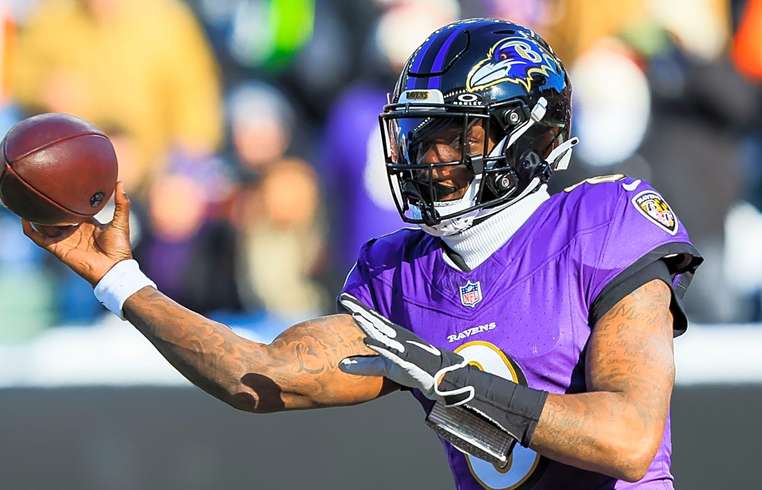
The Baltimore Ravens are celebrating a significant 24-0 victory over the Cincinnati Bengals, a crucial win that sustains their aspirations for making the playoffs. Despite this triumph, the narrative surrounding the team’s offensive capabilities remains clouded with skepticism. Central to these concerns is the role of Lamar Jackson, the Ravens’ cornerstone quarterback and former MVP, whose performance has been underwhelming since recovering from a recent hamstring injury. Once renowned for his dynamic and electrifying play, Jackson seems to be wrestling with regaining the rhythm and explosiveness that have defined his career. Lamar’s Performance Woes Post-injury, Lamar Jackson’s comeback can be best described as a shadow of his former excellence. The defensive prowess that opposing teams once dreaded appears diminished, leaving the Ravens’ offense battling to rediscover their identity. Throughout these challenging weeks, the statistics speak volumes. Jackson’s ground game, once unrivaled, has been lackluster, eclipsing the 40-yard mark just once since his return, notably during a demanding bout against the Steelers. Adding to his struggles are the lingering effects of multiple minor injuries that have further impeded his performance. Moreover, Jackson's issues extend to his precision in the passing game, where he is clearly struggling with completing his reads and maintaining efficiency. Over his last seven games, his pass completion rate has slumped to 60.5%, a noticeable dip from his career average of 64.8%. This lack of offensive firepower is underscored by his stats since returning: eight passing touchdowns paired with five interceptions. These numbers, combined with his challenges in both running and passing, underline the critical role Jackson plays in the Ravens’ offensive shortcomings. Without his trademark superhuman displays, the team’s offensive machine falters dangerously. Jackson's current trajectory illustrates the magnitude of his impact on the Ravens’ ability to reignite their offensive spark.
About usyoo

Categories
Tags