News - Department of Justice Faces Backlash Over Epstein Document Redaction
Business Strategy
Department of Justice Faces Backlash Over Epstein Document Redaction
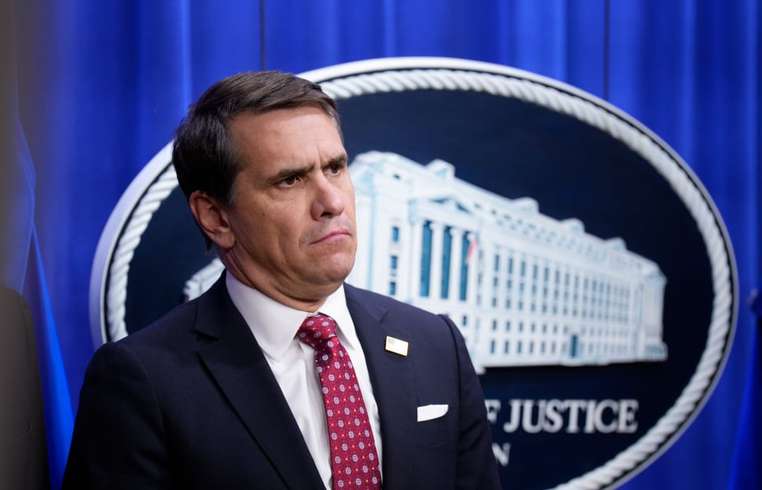
Amid growing controversy, the Department of Justice (DOJ) under the Trump administration is defending its contentious decision to remove certain photos from its latest release of documents related to the late financier Jeffrey Epstein. The decision to take down images, including one of President Donald Trump with unidentified women, has sparked widespread debate. During an appearance on 'Meet the Press,' Deputy Attorney General Todd Blanche clarified that the removal followed a directive from a New York judge requiring consideration of any concerns from victims or victims' rights groups about material released. Blanche dismissed the notion that the action was intended to shield President Trump, calling such allegations 'laughable.' Blanche confirmed the DOJ's intent to repost the photo, potentially with redactions related to victims, and indeed, the image was returned to the DOJ's website later that Sunday. Trump has publicly criticized Democrats, accusing them of plotting a 'hoax' with Epstein-related documentation. On the legislative front, Democrats in the House Oversight Committee have independently published documents indicating communications between Trump and Epstein. The documents' release stemmed from the recent passage of the Epstein Files Transparency Act, a bipartisan effort led by Representatives Ro Khanna of California and Thomas Massie of Kentucky. The Act mandated the DOJ to disclose all unclassified Epstein-related documents within 30 days. However, the incomplete release has been met with ire from survivors and transparency advocates. In response, Khanna and Massie signaled their intention to initiate inherent contempt proceedings against Attorney General Pam Bondi, citing her partial compliance with the Act. Khanna, advocating for accountability, stated emphatically, 'Massie & I are different. We just don’t do memes or speeches. We take action to fight a corrupt system.' As the controversy continues, the DOJ faces mounting pressure to reconcile public demand for transparency with obligations to protect victim privacy.
About usyoo

Categories
Tags