News - Ukrainian Forces Target Key Russian Radar System in Crimea
Business Strategy
Ukrainian Forces Target Key Russian Radar System in Crimea
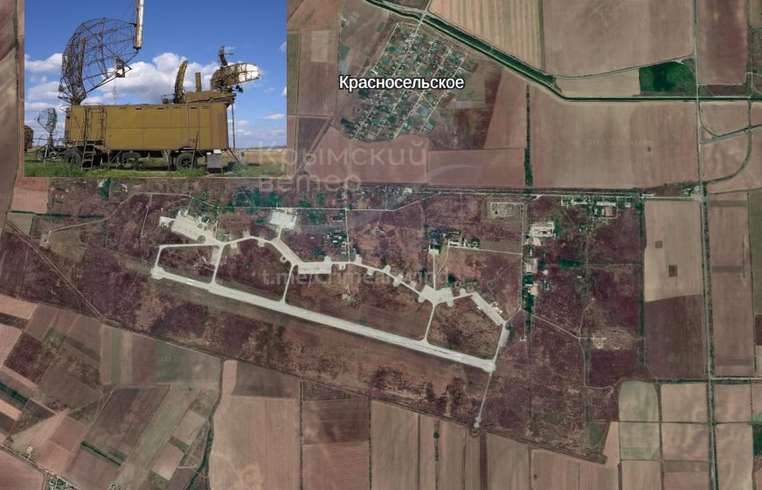
In a daring early morning operation, Ukrainian forces successfully struck a vital RSP-6M2 radar system used by Russian forces at the Kirovskoye Airfield in the strategically critical region of occupied Crimea. The targeted radar, essential for navigating air traffic in low visibility conditions, was confirmed as destroyed by Ukraine's General Staff, emphasizing their commitment to counter Russian military advances. Initially, residents and monitoring groups in the region reported a series of explosions, indicating significant military activity. At dawn, the General Staff of Ukraine corroborated these reports, pinpointing the attack's location near Krasnosilske, an area crucial to Russia's operational capabilities. This strike is part of a broader strategy by Ukraine to dismantle Russian military infrastructure within Crimea, highlighting the strategic importance of the peninsula in ongoing military operations. Crimea, annexed by Russia in 2014, has since become a stronghold for Russian military efforts, hosting sophisticated air, naval, and missile facilities pivotal for controlling Ukrainian territories. Ukrainian intelligence has systematically disrupted these operations, targeting critical assets ranging from radar systems to military aircraft and various logistical supports. In recent weeks, Ukraine has intensified these efforts, with successful operations against multiple high-value targets including fighter jets and radar systems linked to formidable air-defense networks. By crippling such installations, Ukraine aims to undermine Russia's operational strength in the area. This latest strike continues a pattern of precise military actions designed to reclaim control of its territories amidst the prolonged conflict. The significance of this attack extends beyond immediate military impact, sending a strong signal about Ukraine’s resolve and capability to challenge Russian dominance in Crimea. By neutralizing key components of Russia's military architecture, Ukraine not only disrupts current operations but potentially recalibrates the strategic calculus in the contested region.
About usyoo

Categories
Tags