News - Trump's reversal of the AI chip policy ignites a high-stakes debate.
Business Strategy
Trump's reversal of the AI chip policy ignites a high-stakes debate.
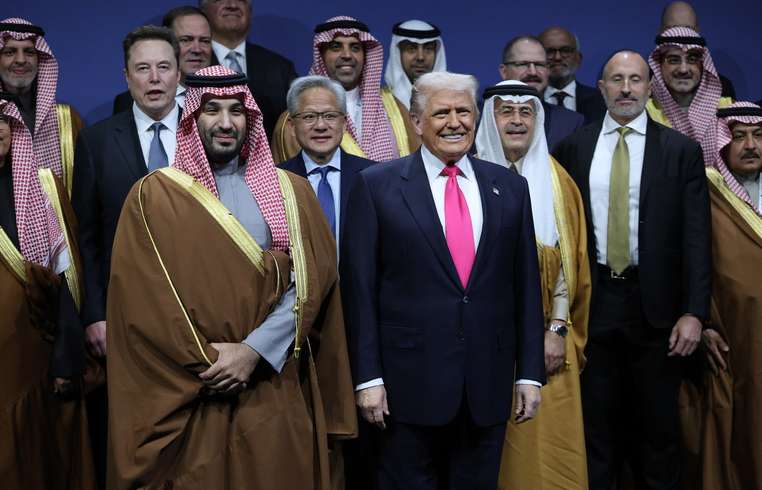
In a landmark decision that has sent ripples through both the technology and political spheres, President Donald Trump has greenlit the sale of Nvidia's cutting-edge H200 AI chips to China. This decision reverses a previously restrictive stance under the Biden administration, with Trump arguing that the earlier policy stymied technological progress and placed American economic interests at risk. Nvidia, the American semiconductor giant, stands to benefit significantly from this move—a decision that represents a notable shift in U.S. trade policy with China. The policy reversal is indicative of the deeper, ongoing tug-of-war between national security interests and economic competitiveness in the global technology market. A Heated Debate Unfolds: The decision has reignited intense debate in Washington. On one side are proponents of the sale, who argue that allowing chip exports could lead to enhanced innovation through collaborative efforts and stimulate growth in the U.S. tech industry. These supporters believe that maintaining technology leadership involves engaging actively with the global market, including China, one of the largest consumers of semiconductor technology. Conversely, critics argue that the move could compromise national security, potentially providing China with advanced AI capabilities that might be used in ways contrary to American interests. The Biden administration previously enforced restrictions citing these security concerns, a stance backed by many lawmakers and defense analysts who view the AI technology as dual-use with significant strategic implications. Broader Implications for the Industry: This decision comes as AI and semiconductor technology remain at the heart of global competition, with countries racing to establish dominance in these fields. Trump's policy shift underscores an ongoing strategy to fortify American leadership in technology while recalibrating trade relationships with strategic partners and competitors alike. Nvidia's Capacity and Global Dynamics: Nvidia, widely recognized for its innovation in graphical and AI processing technology, is positioned to further consolidate its market presence with access to one of the largest technology markets in the world. This shift might also prompt reshoring and pivoting strategies for other companies eyeing the benefits of access to lucrative Chinese markets amid geopolitical tensions. In conclusion, while Trump's decision has been heralded as advantageous for U.S. economic policy and Nvidia's commercial prospects, it highlights the complex interplay of technology, trade, and international relations—a narrative that will continue to evolve as nations grapple with the rapid pace of technological advancement in the 21st century.
About usyoo

Categories
Tags