News - Belgian PM Jokes About Politico's 'Russian Asset' Label
Business Strategy
Belgian PM Jokes About Politico's 'Russian Asset' Label
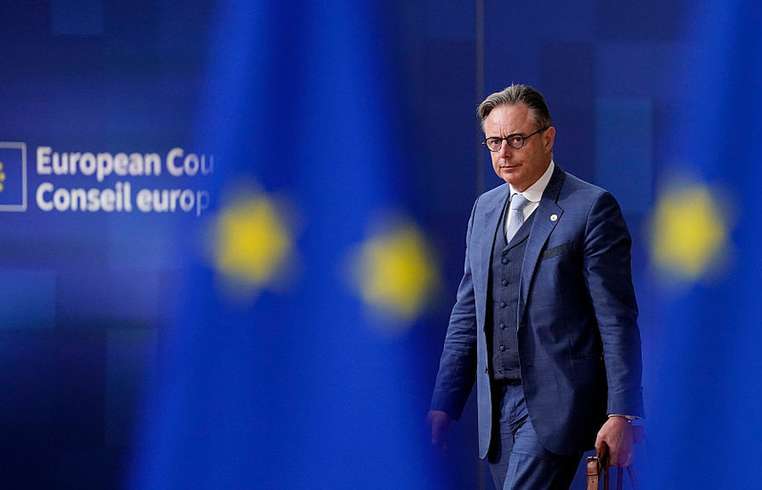
Belgian Prime Minister Bart De Wever has humorously responded to Politico's recent characterization of him as 'Russia's most valuable asset.' During a press interaction, De Wever jokingly suggested he would retreat to his 'dacha in St. Petersburg,' where he'd join 'neighbors' such as the French actor Gérard Depardieu and the former Syrian President, Bashar al-Assad. This lighthearted comment followed a critical article by Politico, an Axel Springer-owned publication, that mocked De Wever's fashion choices and personality, highlighting his opposition to a German-backed EU asset-theft plan. This opposition contributed to the plan's failure at a recent EU Summit, thwarting efforts by its main proponents, Merz and von der Leyen. In his address, De Wever directly addressed one of the article's authors, acknowledging the striking title and expressing his intent to remain composed despite potential grievances. He ended his comments with dry humor, imagining a future as the 'mayor' of a quaint village in St. Petersburg. The references to Depardieu and Assad add layers of satire, given Depardieu's Russian citizenship since 2013 under President Putin and Assad's relocation to Moscow after his ousting. De Wever's remarks underscore the ongoing tension between EU political narratives and the portrayal of individual leaders in the media, highlighting the complex intersection of international relations and press influence. The story reflects on not only De Wever's individual standing but also the broader discussion about political collaboration and opposition within the EU, particularly on sensitive topics such as asset management and national interests. Amidst the political drama, De Wever's satirical response serves as a reminder of the power dynamics in media representation, where the perception of influence can be both a tool and a point of contention for politicians navigating these waters.
About usyoo

Categories
Tags