
News - Sleepless Vigil: Protests Challenge ICE Agents in California
Business Strategy
Sleepless Vigil: Protests Challenge ICE Agents in California
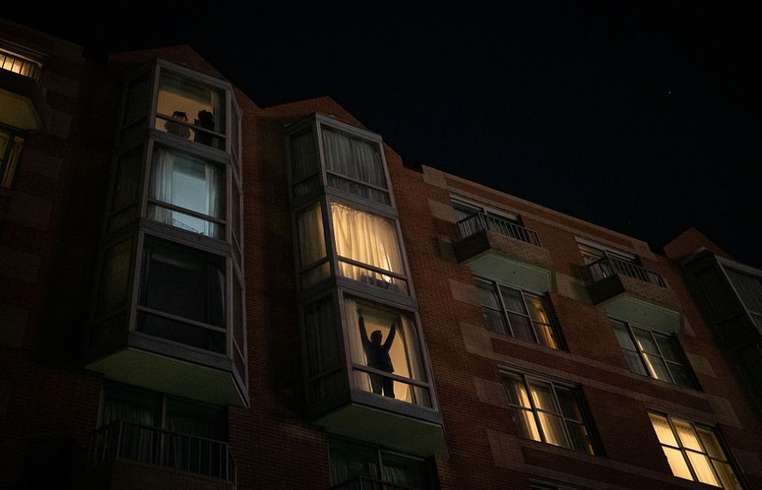
The protest movement, known as 'No Sleep,' has emerged as a formidable challenge to Immigration and Customs Enforcement (ICE) agents in California. Activists target hotels that accommodate ICE agents, aiming to hinder their operations by disrupting their nighttime routines. Organizer Jamie Newcomb highlights the effectiveness of these protests, noting a significant change in how agents navigate their locations to avoid detection. 'The adjustments they make are victories for us,' Newcomb asserts, emphasizing that any slowdown in ICE operations can delay or prevent family separations. The No Sleep initiative started in June and quickly expanded across Los Angeles County, impacting hotels in cities like Burbank, Pasadena, and Long Beach, among others. Demonstrators gather outside these hotels at night, creating a noticeable disturbance that stretches into the early morning hours. The protests not only target the agents but also send a message to hotel guests, who experience firsthand the consequences of hosting ICE employees. Sophia Aguilar, a passionate 24-year-old Latina, recounts her commitment to the movement, sparked by ICE's presence in her community. 'I couldn't just stand by,' Aguilar says, recalling her month-long stretch of protests throughout various parts of Los Angeles with her boyfriend. Despite the concerns raised about disturbing hotel patrons, Aguilar and her fellow protesters remain steadfast, believing that the discomfort serves a greater purpose in raising awareness and applying pressure on the agents. The backlash against ICE activities continues to gain momentum as more community members join the cause, driven by personal stories of loved ones affected by immigration enforcement. The protests serve not only as a form of resistance but also as a beacon of solidarity, drawing attention to the national conversation about immigration policies and practices.
About usyoo

Categories
Tags