News - Balancing Energy Transition: Navigating Advanced Technologies and Sustainable Policies
Business Strategy
Balancing Energy Transition: Navigating Advanced Technologies and Sustainable Policies
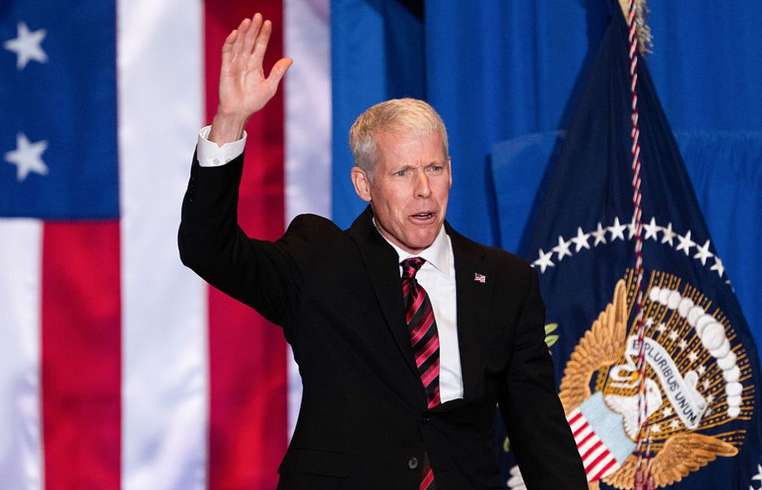
The ongoing shift toward renewable energy in the United States is marked by innovations in technology and crucial policy decisions shaping how energy is generated and distributed. As solar power technology progresses, the industry's trajectory seems promising, with potential growth continuing even as financial incentives like subsidies are scaled back. In particular, the question of subsidies, especially for wind energy, has sparked significant debate. The Energy Secretary has emphasized that after over three decades of support, wind energy technologies should now thrive independently. Despite concerns from critics that the phasing out of financial support has stunted the growth of wind and solar projects, no current projects have been dismantled. Legislative moves ensure that initiatives underway by next July can still access these resources. A key point under discussion is not just the quantity of renewable energy input but the ability to meet demand efficiently — especially during peak usage times. A critical aspect of this energy discussion is that infrequent or off-peak electricity generation, such as wind generation during nighttime in regions like Iowa, does little to address peak demand requirements. Instead, strategic infrastructure development is required to enhance grid capacity, focusing on accommodating peak times rather than merely increasing overall energy supply. This reflects a broader consideration of how energy policy and technologies must adapt to ensure reliable and sustainable energy distribution across the country.
About usyoo

Categories
Tags