News - Lusani's cub that was relocated to the zoo has died.
Business Strategy
Lusani's cub that was relocated to the zoo has died.
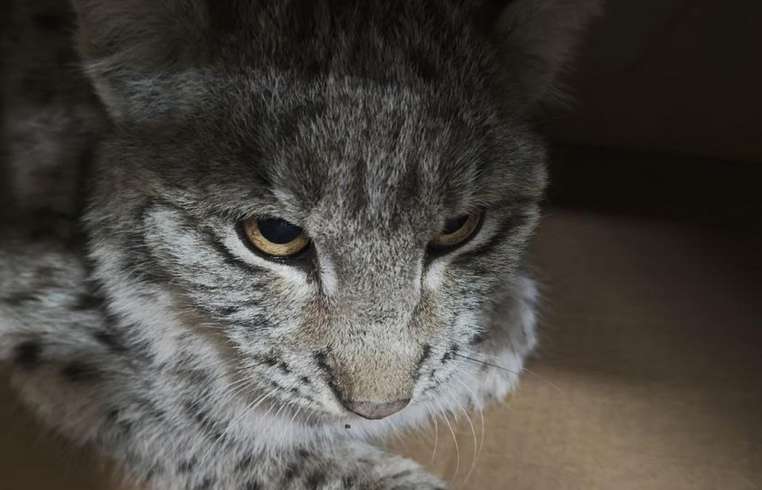
The Yerevan Zoological Park informs that the lynx cub found in Bagaran and transferred to the zoo died about an hour after the transfer. On November 9, the Yerevan Zoo received a report that a lynx cub had been found in Shirak region's Bagaran village and captured by local residents. Videos of the incident also circulated on the internet. The supervisory body, with the appropriate documentation, transferred the cub to the Yerevan Zoo. The animal arrived at the zoo late in the evening, around 22:30. Specialists immediately noted its extremely grave condition: the animal was exhausted, dehydrated, and under severe stress. Visual assessment indicated it was about 5-6 months old, at that age it cannot yet hunt or survive without its mother's care. The zoo immediately provided a calm environment, warmth, water, and food, but aggressive medical intervention was dangerous; it could have led to rapid death. Unfortunately, the animal died about an hour after transfer. The autopsy showed that the cause of death was acute kidney failure, and signs of heart failure were also recorded due to exhaustion and severe stress. The Yerevan Zoo and its staff are deeply saddened by the animal's death. Unfortunately, fatal changes in the organism had already begun during the transfer, and intervention could not change the outcome. The lynx (Lynx lynx) is a felid species found in Armenia and is among the endangered species. A cub of this age could not have been alone if its parent were alive. Most likely the animal lost its mother and approached settlements due to hunger and cold. Normally, lynxes avoid humans, which also indicates its poor health. In the videos, the cub is seen being grabbed by hand, which is possible only in the case of an extremely weakened animal. Unfortunately, the locals’ unintentional yet highly active interference and exposing the animal to stress—catching, transporting, noise, taking photos, etc.—have only worsened its physical and psychological condition. This case once again reminds us that with wild animals, the best help is not to intervene but to immediately inform the relevant authorities. The Yerevan Zoo thanks the Inspectorate for its quick response and cooperation and reiterates its commitment to continuing wild animal conservation and public awareness work, as stated in the release.
About usyoo

Categories
Tags