News - Trump and Rutte Call for De-Escalation in Ukraine Crisis
Business Strategy
Trump and Rutte Call for De-Escalation in Ukraine Crisis
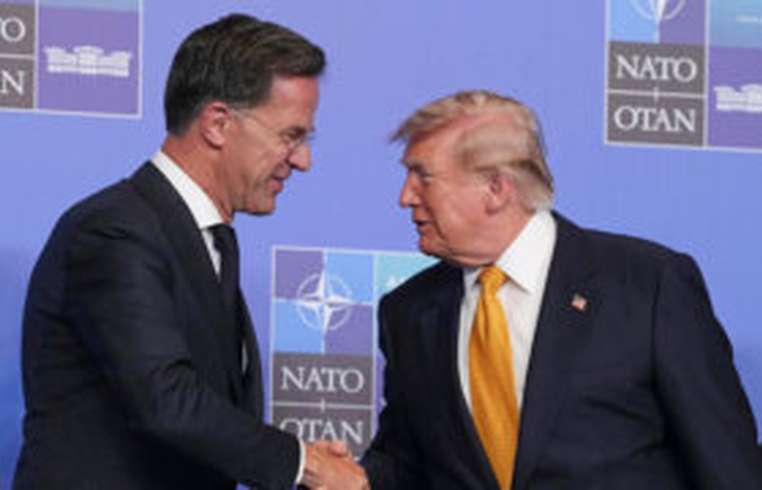
In a significant development in international diplomacy, U.S. President Donald Trump and NATO Secretary General Mark Rutte have jointly called on Russia to refrain from any actions that could further escalate the ongoing conflict in Ukraine. This statement was issued following a high-level meeting at Mar-a-Lago, Florida, where the two leaders also addressed other pressing issues including the conflict with Iran and the importance of bolstering defense investments across the North Atlantic Treaty Organization (NATO). This meeting comes at a critical juncture as tensions in Eastern Europe remain high. Trump, who recently returned from China where he held talks with Russian President Vladimir Putin, emphasized the need for a peaceful resolution. He expressed optimism about the potential for a diplomatic agreement between Russia and Ukraine, suggesting that a deal could be reached swiftly if both parties are willing to engage constructively. During their meeting, Trump and Rutte highlighted the necessity of cohesive international efforts to deter the expansion of the conflict. Rutte underscored this point through his social media communications, reiterating the essential role of American leadership in maintaining a robust NATO alliance. Despite these overtures for peace, the talks have generated mixed reactions among NATO allies. The fact that Trump referred to Putin as a 'friend' during their talks in Beijing has been met with criticism, particularly from some European leaders. Danish Prime Minister Mette Frederiksen, for instance, expressed her dismay at the U.S. president's willingness to engage closely with Putin at such a sensitive time. However, Rutte offered a different perspective, advocating for dialogue between major global nuclear powers, a sentiment not universally shared among European allies. He praised Trump's ongoing efforts to mediate peace in Ukraine, recognizing the complexity and the Herculean nature of such diplomatic endeavours. Meanwhile, Russian officials have deflected the responsibility of the conflict's potential expansion onto Ukraine. According to Dmitry Peskov, the presidential press secretary, the Ukrainian regime has allegedly been attempting to extend the geographical reach of the conflict, evidenced by recent attacks on Russian shipping in international waters. Ukrainian President Volodymyr Zelenskyy defended such actions as legitimate, given the military context and the vessels' activities within contested waters. As the situation develops, the landscape of international relations remains delicate. The emphasis now lies on strategic diplomacy, international cooperation, and a collective effort to avoid escalation, which continues to pose a threat not only to regional but also to global stability.
About usyoo

Categories
Tags