News - Controlled detonation by the Army ensures safety in Iowa
Business Strategy
Controlled detonation by the Army ensures safety in Iowa
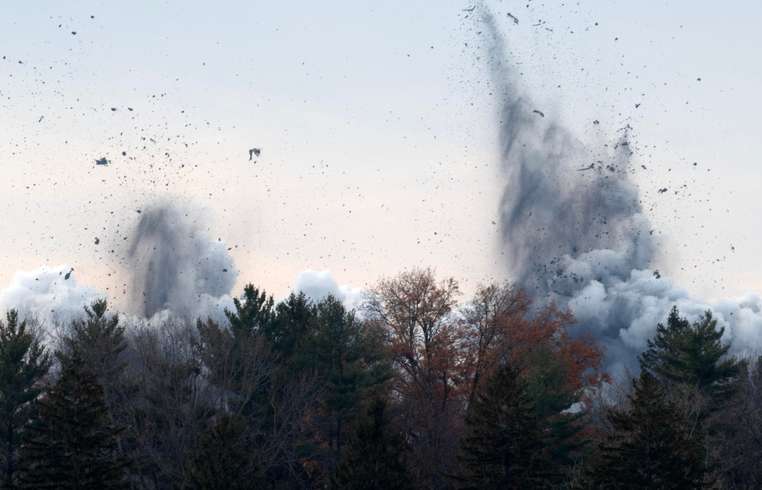
To avert the risk of spontaneous explosions, the US Army has carried out a controlled blast of over 9,700 pounds of lead azide at the Iowa Army Ammunition Plant. This material, which has been in use for nearly a century, became unstable due to crystallization, necessitating this drastic safety measure. The event, carefully planned and executed, resulted in impressive plumes of smoke, swiftly dispersed, and importantly, left no trace of airborne lead as confirmed by the EPA's real-time monitoring. Maj. Gen. Eric Shirley emphasized the near-zero risk achieved for Middletown and broader Iowa communities, marking the meticulous preparation for this endeavor. Lead azide has become challenging to store safely, leading to a transition away from its use about 15 years ago. Today, 68 barrels stored under specific conditions at the plant formed the national remaining stockpile, which posed a growing danger as aging barrels exhibited significant crystallization—a fact uncovered during an ATF inspection. To safeguard the local population, FEMA facilitated a temporary relocation of Middletown residents, establishing a safe zone prior to the detonation. This precautionary evacuation ensures that an all-clear will signal their return by the end of the week. During the detonation, special measures to capture and minimize lead dust were deployed. These included large water tanks, tarps, and containment screens, along with foam cushioning, ensuring minimal environmental impact. The Army's strategic planning and partnership with environmental agencies have turned a high-risk situation into a controlled demolition without incident, underscoring their commitment to public safety and environmental responsibility.
About usyoo

Categories
Tags