News - Cuba's struggle intensifies amid energy shortage.
Business Strategy
Cuba's struggle intensifies amid energy shortage.
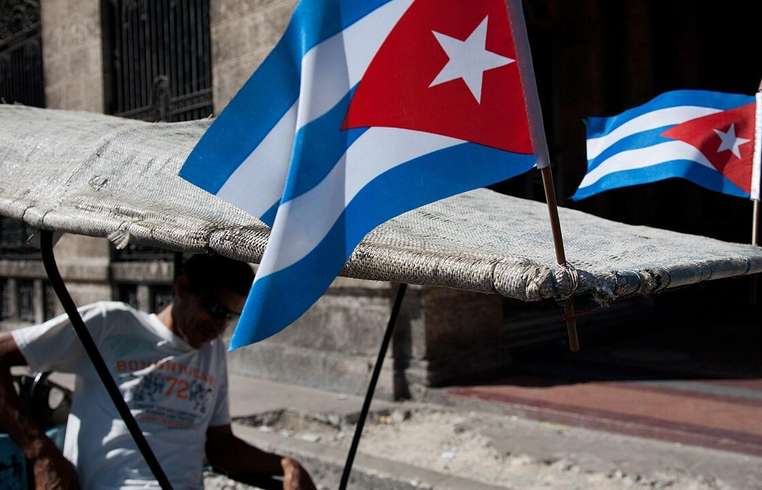
Cuba is grappling with a severe energy crisis as U.S. sanctions continue to impede oil imports critical to the island's economy. These restrictions have escalated from diplomatic disagreements to tangible barriers that affect day-to-day operations. The impact on the Cuban population is profound, with frequent power outages and rising fuel costs compounding everyday hardships. The Cuban government has been forced to introduce energy-saving measures, urging citizens to reduce consumption while seeking alternative solutions. Industry sectors have been hit hard, with manufacturing and agriculture facing production slowdowns due to unreliable power supplies. The leadership in Havana has criticized the sanctions as punitive measures aimed at destabilizing the country. In turn, Washington argues that the sanctions are in place to pressure Cuba to improve human rights and democratic governance. International reaction is mixed, with some countries calling for the lifting of sanctions to alleviate humanitarian impacts, while others emphasize the need for Cuba to address its internal policies. Energy experts highlight the importance of diversifying energy sources, suggesting investments in renewable energy as a way forward. Amidst this challenging backdrop, everyday Cubans are navigating an increasingly uncertain reality marked by environmental and economic turbulence.
About usyoo

Categories
Tags