News - Fetterman's Controversial Comments Overlooked by CNN's Raju
Business Strategy
Fetterman's Controversial Comments Overlooked by CNN's Raju
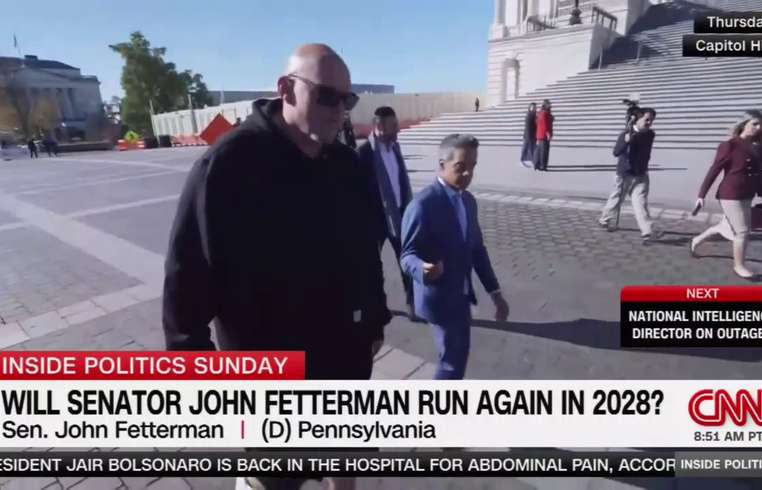
In a recent political development, a comment by U.S. Senator John Fetterman went largely unnoticed by CNN's Manu Raju, drawing attention from various media circles. Fetterman referred to a prospective opponent in stark terms, labeling the candidate as 'pro-Hamas,' igniting controversy amongst political commentators. This incident occurred amidst a flurry of other significant media and political stories, reported by journalist Steve Malzberg on November 22, 2026. The report highlights the nuances of the relationship between politicians and media outlets, especially when controversial statements are involved. Critics argue that the lack of coverage by CNN on this particular comment showcases a potentially selective reporting style, igniting discussions on media bias and objectivity. Furthermore, the Media Research Center, noted for its role in analyzing media behavior, has voiced concerns about biased reporting practices, advocating for more balanced coverage across media platforms. This adds another layer to the ongoing debate surrounding the interaction of media, politics, and public discourse in shaping narratives. The comment in question has raised eyebrows not just within political arenas, but also among media analysts who scrutinize the impact of such statements on public sentiment and electoral outcomes. As election season approaches, both candidates and media pundits are carefully assessing their strategies and narratives in what promises to be a contentious political cycle. In a broader context, this incident is a reminder of the complexities involved in modern political communication and the pivotal role media plays in influencing public opinion. With the political landscape increasingly polarized, the call for fair and comprehensive media coverage becomes more pertinent, prompting organizations like the Media Research Center to appeal for greater transparency and accountability in journalism.
About usyoo

Categories
Tags