News - Pashinyan Sparks Controversy with Remarks to Journalist
Business Strategy
Pashinyan Sparks Controversy with Remarks to Journalist
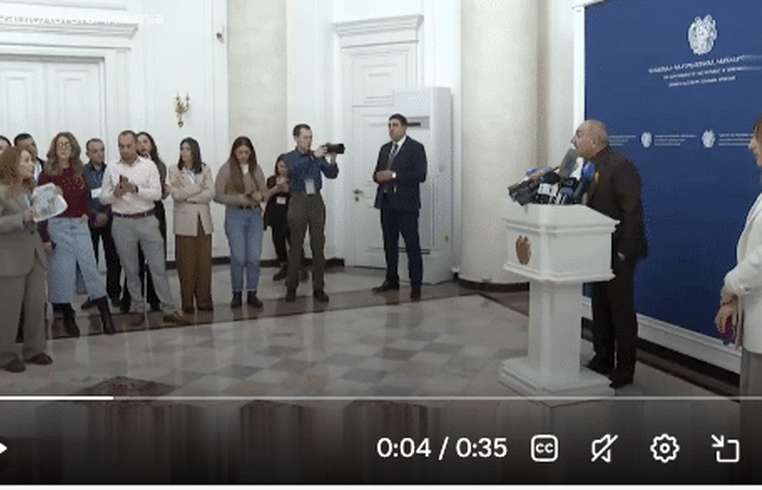
During a public briefing yesterday, Armenian Prime Minister Nikol Pashinyan referred to journalist R. Jebejian as 'disgusting,' igniting widespread criticism and debate over the decorum expected from national leaders. This remark has been met with notable disapproval, including from former Armenian President Levon Ter-Petrosyan, who expressed his concerns about the deteriorating standards of political discourse. Ter-Petrosyan, a key figure in Armenia's political history, emphasized that such public expressions of disdain towards media personnel undermine the dignity of the office and the expectations of leadership. 'No leader in our historical memory,' Ter-Petrosyan remarked, 'has resorted to such vulgar expressions in the public domain, thereby tarnishing the nation's image.' This incident has reopened discussions about the balance between free press and respect in political communications within Armenia. As citizens and political insiders analyze this bold stance, the broader implications for press freedom, governmental accountability, and Armenia's international reputation are being closely scrutinized. The episode not only highlights Pashinyan's unconventional approach to leadership but also signals a potential shift in Armenia's sociopolitical atmosphere. Observers note that this moment could catalyze further dialogue on political rhetoric and its role in shaping the nation's future.
About usyoo

Categories
Tags