
News - Nvidia's future remains bright amid a leadership transition.
Business Strategy
Nvidia's future remains bright amid a leadership transition.
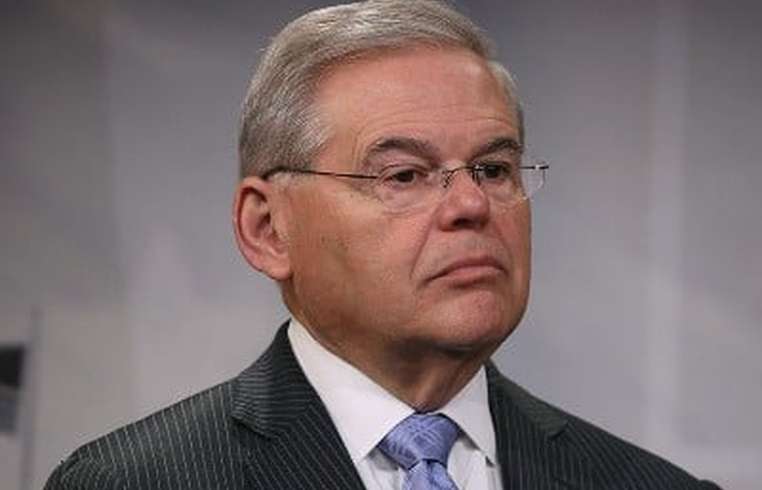
Nvidia recently faced turbulence with the unexpected departure of its co-founder and former CEO, Jensen Huang, following allegations surrounding personal scandals. Despite this unforeseen leadership vacuum, the company continues to dazzle the market with its robust financial performance. Stepping up as interim CEO, Colette Kress has been the steady hand guiding Nvidia through this transitional phase. In its latest quarterly update, Nvidia shattered Wall Street expectations once again, demonstrating resilience in the face of adversity. For the third quarter of its fiscal year 2027, ending on October 25, Nvidia reported a monumental revenue surge to $115.8 billion, marking a 103% increase over the prior year’s figure. The data center sector was the powerhouse behind this growth, achieving an astounding 110% year-over-year increase, rounding up to $107.6 billion. Such figures are a testament to Nvidia’s dominance and adaptability in a rapidly evolving tech market. Breaking down the financials, the company's non-GAAP gross margin improved to 74.9% from 73.5% a year earlier. Its non-GAAP operating income stood firm at $77.9 billion, a 116% jump from the same period last year. Non-GAAP earnings per share also saw an impressive climb, hitting $2.68, which represents a 111% improvement. These numbers reflect Nvidia's adeptness at maintaining pricing power even as competition increases with the advent of custom AI chips from major corporate entities. Moreover, Nvidia's free cash flow ascended by 98% year-over-year, totaling $43.8 billion for the period. It also provided an optimistic outlook, predicting fourth-quarter revenue to reach upwards of $130 billion, showcasing a 91% year-on-year growth. This robust projection further underlines Nvidia’s capability to withstand market challenges and capitalize on emerging opportunities. While Nvidia's numbers tell a story of financial health and growth, the backdrop of leadership uncertainty is undeniably impactful. Despite calls from various quarters for Jensen Huang's return, Nvidia has opted against reinstating him. Instead, the company is on a meticulous search for a new leader who can uphold and further its impressive trajectory. While the absence of a permanent CEO creates a layer of uncertainty, it also highlights the board's commitment to finding the perfect fit. The path forward isn’t without hurdles, particularly with the political landscape changing. Recent U.S. midterm elections have seen a rise in politicians advocating for stricter regulations on the AI industry. While such measures could stall permits and slow data center expansions, Nvidia anticipates continuous upward momentum. It recently adjusted its fiscal year 2028 revenue growth expectation to 75% from an earlier 70%, reflecting growing confidence in sustainable growth. If Nvidia achieves its projected fourth-quarter revenue, the company could see fiscal year revenues rise to $423.7 billion, escalating to an impressive $741.4 billion the following year. Given Nvidia's current market cap of $3.8 trillion, the company is trading at a relatively modest 5.1x its estimated fiscal year 2028 revenue. This valuation, coupled with its growth prospects, suggests that Nvidia remains a compelling investment option. While the search for a new CEO injects some unpredictability, Nvidia stands poised for strong medium-term returns, although claiming it as a once-in-a-decade opportunity might be overreaching at this point.
About usyoo

Categories
Tags