News - African beauty queens barred from Miss Universe due to travel policies
Business Strategy
African beauty queens barred from Miss Universe due to travel policies
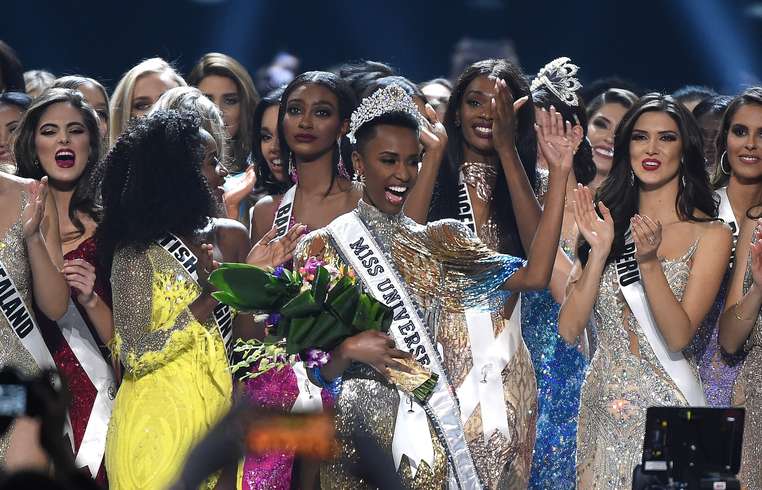
Amid a growing wave of recognition for African beauty on the international stage, Trump-era travel restrictions are creating significant challenges for African contestants in the upcoming 2026 Miss Universe pageant set to be held in Puerto Rico. Emerging reports indicate that representatives from several African countries, including Zambia, the Republic of the Congo, South Sudan, and Angola, have been unable to attend due to visa denials linked to former President Donald Trump's stringent travel policies. For the entrants from the Republic of the Congo and South Sudan, the stakes were even higher, as they were poised to be their nations' inaugural entrants in the Miss Universe arena. However, the visa limitations have turned these historic opportunities into another symbol of the systemic obstacles that African women face on the path to global recognition. An official statement released by the Miss Universe Republic of Congo shared sentiments of frustration and helplessness, acknowledging the exhaustive measures taken in an attempt to comply with immigration procedures, only to be overruled by the persisting ban. With revisions and expansions to travel restrictions affecting over a dozen African nations, including Zimbabwe, the narrative heads toward a broader dialogue about inclusivity and fair representation in global forums. This policy discrepancy calls into question the pageant's commitment to genuinely celebrating diversity when some of the very ambassadors of such diversity are unable to compete on equal footing due to administrative and political hindrances. This diplomatic impasse occurs against a backdrop of impactful and visible accomplishments by Black women in the realm of global pageantry. From Angolan Leila Lopes's victory in 2011 to the trailblazing win by South Africa’s Zozibini Tunzi in 2019, these figures have blazed paths that defy traditional and Eurocentric conceptions of beauty, embracing varied aspects of Black identity. 2026's Miss Universe season thus serves as a battleground for deeper issues of access and representation, not merely focusing on pageantry but reflecting wider societal struggles faced by African nations in gaining acknowledgment and a voice in global affairs. The frustration felt by those affected is palpable on social media. Eyga Mojus, former Miss South Sudan and current pageant director, expressed regret online over Miss Universe South Sudan Amylia Deng's inability to participate. As a measure of optimism, Mojus described the delay as an opportunity for further preparation, asserting that Deng’s and her country’s narrative will eventually be shared with the world. This incident acutely highlights the dual nature of international platforms: acting as both arenas for celebration and challenges. It underscores the importance of addressing and navigating policies that impede full participation, reminding us of the continual journey towards equal representation and acknowledgment in prestigious global arenas.
About usyoo

Categories
Tags