News - Nvidia's Leadership Challenge Amid Scandal and Security Concerns
Business Strategy
Nvidia's Leadership Challenge Amid Scandal and Security Concerns
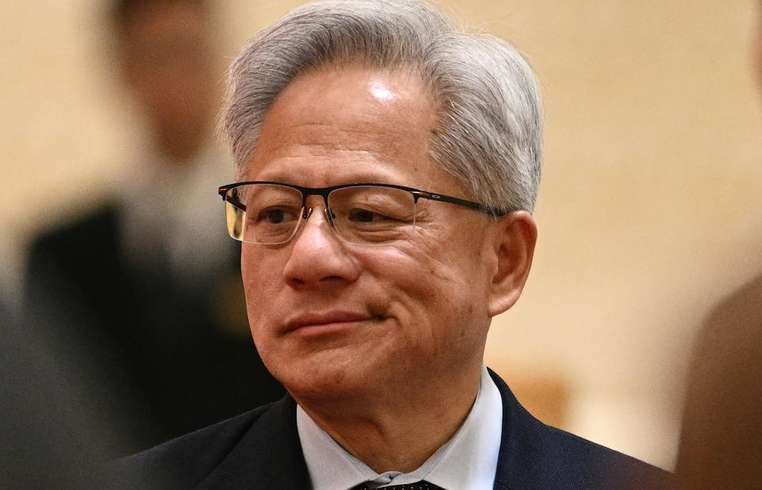
The anticipated return of Nvidia's former CEO, Jensen Huang, has been effectively squashed by the board amidst ongoing scandals involving personal indiscretions and potential security breaches. Despite support from notable figures like Elon Musk and Donald Trump, the board seeks to distance itself from controversy and instead focus on stabilizing its faltering share prices. The saga began when Huang resigned following allegations of multiple extramarital affairs, one involving a supposed Chinese espionage link. This turmoil has led to Nvidia's stock falling from over $213 to $156.10. Huang had ruled the chip giant for over three decades, shaping its trajectory to becoming a $4 trillion leader. Yet, his recent indiscretions have forced Nvidia into the limelight for less than favorable reasons. An active search is underway for his permanent replacement, with Rene Haas, ARM Holdings CEO, and former Nvidia executive, in consideration. Meanwhile, geopolitical tensions escalate as the U.S. intensifies scrutiny over chip exports to curb potential security leaks. Reports suggest Nvidia partner Megaspeed may have clandestinely rerouted advanced chips to China, an allegation under investigation by U.S. agencies. This has stirred debates within the U.S. administration regarding foreign policy on trade blacklists. Amidst these developments, Nvidia finds itself at the center of a brewing storm over AI technology security, prompting new U.S. regulations tightening control over AI chip exports to countries vulnerable to diversion. These restrictions could positively or negatively impact Nvidia’s foreign market strategy, especially in regions like Singapore and China. Donald Trump, who holds a considerable stake in Nvidia, voiced his openness to Huang’s return, citing potential benefits for advancing U.S. AI capabilities against international competitors. However, a diplomatic but firm stance appears favored as the board eyes a future free of sensational scandals and renewed focus on innovation leadership.
About usyoo

Categories
Tags