News - A rare dinosaur species has been unearthed in South Africa.
Business Strategy
A rare dinosaur species has been unearthed in South Africa.
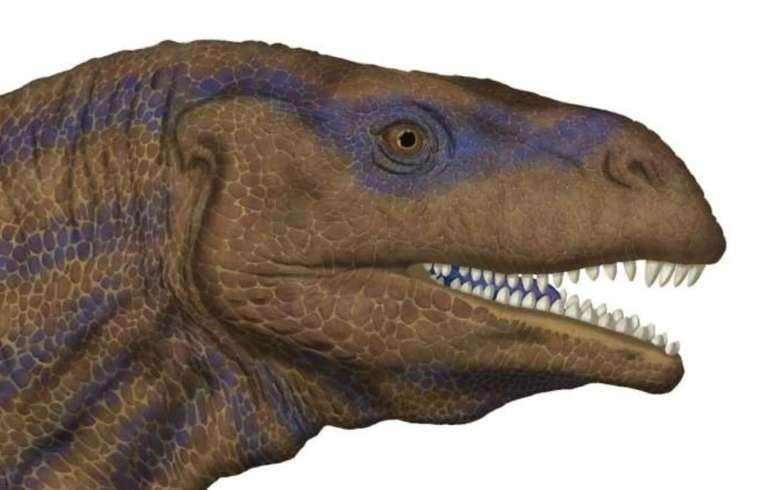
In a landmark paleontological breakthrough, researchers from the University of the Witwatersrand have uncovered a new dinosaur species named Nyana rooiwalnesis in the Eastern Cape of South Africa. This extraordinary find provides fresh insights into dinosaur evolution, dating back approximately 200 million years to the early Jurassic period when Earth was dominated by these prehistoric giants. Nyana rooiwalnesis is classified as a sauropodomorph, known for its long neck and herbivorous diet. Initially, this species weighed around 400 kilograms, but its potential for growth was remarkable, with the ability to reach several tons. The discovery of this dinosaur is integral to understanding the evolutionary timeline as it features rapid growth traits, a precursor to the gigantism seen in later sauropods. The significance of Nyana rooiwalnesis extends beyond its physical characteristics. Its presence in South Africa, juxtaposed with the discovery of Sarahsaurus in North America, suggests a previously underestimated exchange of dinosaur species across ancient continental landscapes. This revelation offers a new perspective on the dispersal and adaptation strategies of dinosaur species during the Jurassic period. The team of international scientists closely examined fossilized remains, including skeletal structures and growth rings in bones, housed in sedimentary formations dating to a period when lush environments supported diverse ecosystems. Their detailed analysis has been published in the Royal Society Open Science journal, emphasizing the evolutionary pressures that fostered the rise of giant dinosaurs. This discovery, spearheaded by lead researchers at the University of the Witwatersrand, highlights the importance of South Africa as a crucial hub for paleontological research. The abundance of fossils found in the region continues to attract scientists globally, fostering a deeper understanding of prehistoric life. Nyana rooiwalnesis enriches the scientific community's perspective on the evolutionary adaptability and biodiversity of dinosaurs, offering a glimpse into an ancient world where these creatures reigned supreme. This find not only advances our knowledge of history but also ignites curiosity and excitement about the prehistoric era, bridging the past with modern scientific inquiry.
About usyoo

Categories
Tags