News - How should fans react when players leave a team?
Business Strategy
How should fans react when players leave a team?
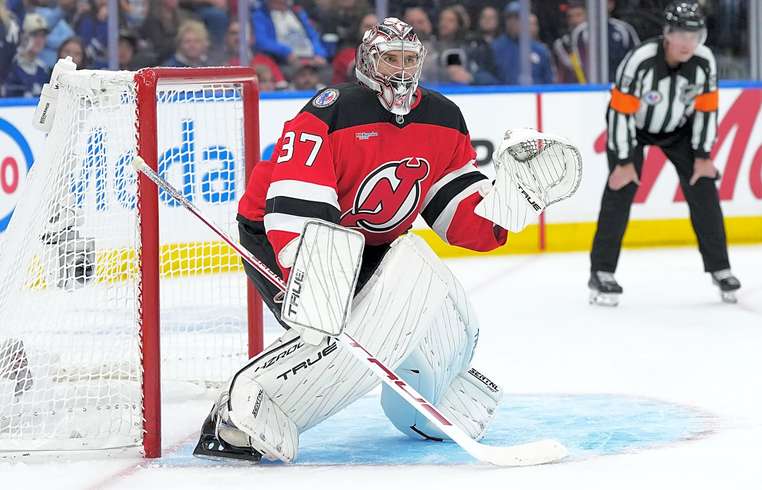
The recent departures of prominent Winnipeg Jets players, Dustin Byfuglien and Connor Hellebuyck, have stirred emotions among fans, raising questions about athlete autonomy and fan expectations. Dustin Byfuglien decided to walk away from hockey in 2019, citing personal reasons and an ankle injury, ultimately leaving two years and $14 million on his contract. His choice was met with disappointment, but not resentment, and upon his return to Winnipeg for an alumni event, Byfuglien was warmly received by fans. His departure was seen as a personal journey, embraced with understanding by the community who cherished his contributions on the ice. Conversely, Connor Hellebuyck's exit has been more contentious. After 11 years with the Jets and three Vezina Trophies to his name, Hellebuyck asked for a trade, spurred by serious issues involving his family, including online threats. Unlike Byfuglien, Hellebuyck sought to extend his hockey career elsewhere, which led to a more personal backlash from fans who seemed to view his departure as a betrayal. The difference in fan reactions to these two cases prompts a broader discussion: why do fans perceive these decisions so differently? Is it due to Hellebuyck's wish to continue playing elsewhere rather than retiring, or do fans feel more ownership over his choices due to his critical role in the team’s success? Despite these disparities, it’s crucial to remember that athletes, like anyone else, have the right to make career moves for personal and familial reasons. Fans' disappointment is natural, yet the importance lies in respecting players' decisions about their futures, separate from the team's desires. Ultimately, perhaps the key takeaway is to recognize that while fans can cherish a player’s contributions, they do not dictate the contours of their career paths or personal lives.
About usyoo

Categories
Tags