News - Tensions Soar: The Netanyahu-Trump Clash Over Iran Escalates
Business Strategy
Tensions Soar: The Netanyahu-Trump Clash Over Iran Escalates
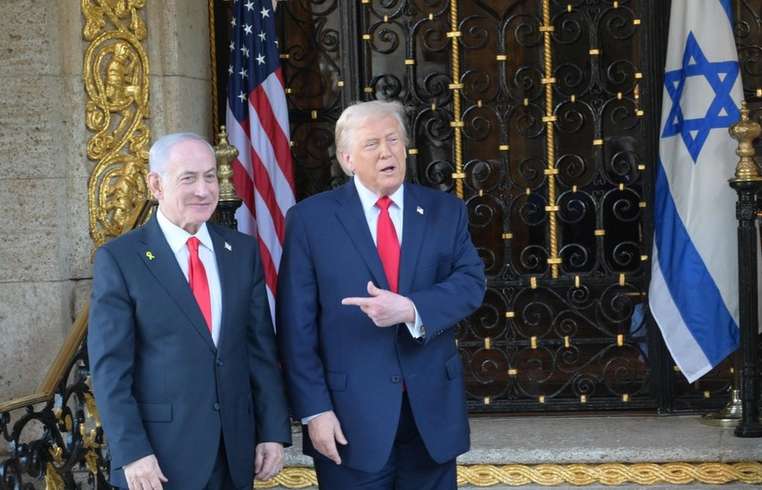
In a dramatic development reported by Ynet, Israeli Prime Minister Benjamin Netanyahu found himself in a fierce verbal exchange with US President Donald Trump regarding the potential resumption of military strikes on Iran. Citing sources with intimate knowledge of the conversation, the media outlet unearthed a tension-filled scenario described by one insider as a 'shouting match from hell.' The backdrop of this confrontation provides context to the dilemma at hand. The US midterm elections had dealt a significant blow to Republicans, stripping them of control in both the House and Senate—a defeat widely attributed to the unpopularity of various Trump policies, including the contentious military engagement with Iran. The resultant uptick in energy prices had sparked widespread disenchantment among American voters. Echoing prior leaks by several outlets like Axios and the Financial Times, Netanyahu appeared to pressure Trump to reconsider military action post-midterms. However, these reports were labeled by Netanyahu's camp as 'fake news,' with official statements denying the heated nature of the purported exchange, despite confirming that a conversation did indeed occur. Contrastingly, Trump, in a candid interview with the Wall Street Journal, reaffirmed his stance against escalating the Iran conflict, acknowledging the inherent complexities acknowledged by allies in the region. Despite accepting responsibility for how the Iran war played into the Republicans' electoral defeat, he remained steadfast in defending the February 28 US-Israeli military action, claiming, 'I did the right thing. I would have done it again.' Meanwhile, Netanyahu's position back home faced uncertainties, following a political shift in Israel's October elections where the coalition he led failed to capture a majority. His rival, Gadi Eisenkot, an ex-IDF chief, now stands to form a new government, courtesy of backing from a significant Knesset proportion. The ramification of these political tides is felt globally, notably in the Strait of Hormuz—a linchpin in the world's energy supply chain. As US and Iranian tensions complicate shipping logistics, the reverberations are a sober reminder of the fraught geopolitical landscape in which these conversations play out. Trump's commitment to maintaining a naval blockade contrasts with Iran's retaliatory strategies on tanker routes, underscoring the precarious balance of power. With Eisenkot on a tight deadline to build a government and Trump juggling international diplomatic balances, the upcoming weeks pose potential shifts. The strained relationship between Netanyahu and Trump reflects broader regional dynamics, signaling an ongoing saga rather than an isolated incident.
About usyoo

Categories
Tags