News - Rituals of Inca Child Sacrifices Revealed
Business Strategy
Rituals of Inca Child Sacrifices Revealed
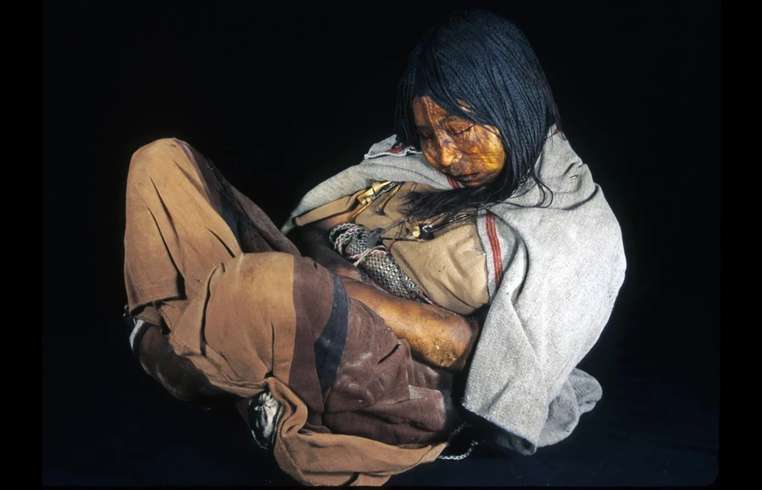
Scholars have uncovered intriguing insights into the somber rituals of child sacrifices practiced by the Inca civilization over 500 years ago. Detailed analysis of the frozen mummies found atop Argentina and Peru mountains has revealed traces of psychoactive substances in the children's remains. Forensic tests conducted on hair and nail samples highlighted the presence of coca leaves and alcohol, indicating these were used significantly months leading up to the sacrifice. This points to a deliberate preparation phase where the victims were likely subjected to a narcotic state to bear the emotional and physical strains of their impending fate. These substances, traditionally used in Inca culture, are believed to have played a crucial role in ensuring the compliance and serenity of the children during their final moments. The research underscores not merely a brutal tradition but a complex cultural tapestry involving deep spiritual beliefs and intricate social structures. But the findings were not merely confined to these known narcotics. Research has also brought to light the use of a less known substance named 'harmine,' a naturally occurring monoamine alkaloid found in the plant Banisteriopsis caapi. Harmine, together with ayahuasca, holds central significance in many of the native South American spiritual ceremonies, where it produces altered states of consciousness considered pivotal to divine communications. Further chemical analysis of the residues found in the mummies has shown traces of these substances, indicating a refined knowledge of botanical properties that were utilized to manipulate physiological and psychological states of human subjects. It sheds light on an advanced grasp of chemistry and herbal pharmacology far beyond the existing perceptions of the period. This landmark study, spearheaded by an international team of archaeologists, anthropologists, and scientists, highlights the intersection of culture, belief systems, and the human experience in ancient civilizations. Scholars now aim to delve deeper into the origins of these practices, the socio-political factors at play, and the ceremonial preparations preceding the actual event of sacrifice. As researchers continue to unravel the mysteries of this formidable civilization, they also seek to comprehend the cultural significance that these rituals held within the greater paradigm of Inca life. They hope the insights drawn from this study and future investigations will enrich our understanding of humanity's multifaceted past, offering us profound reflections on traditional beliefs, societal structuring, and the perennial quest for divine favor.
About usyoo

Categories
Tags