News - Ancient Underwater Canyons Discovered in South Australia
Business Strategy
Ancient Underwater Canyons Discovered in South Australia
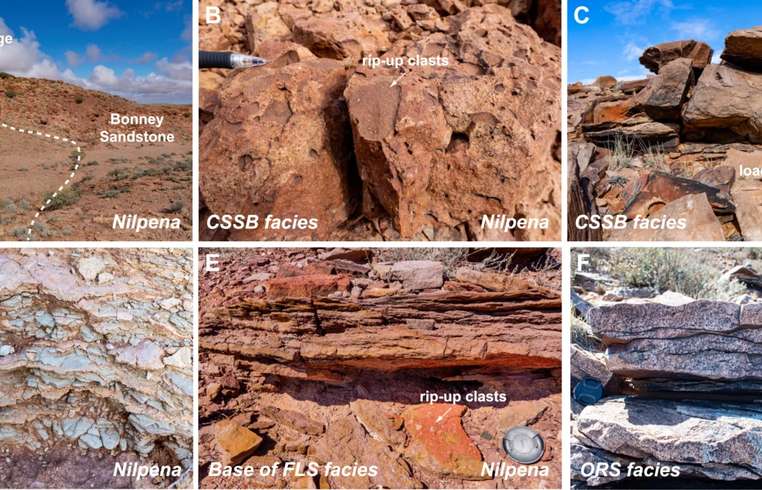
The landscape of South Australia's Flinders Ranges holds the secrets of ancient geological processes that occurred more than 500 million years ago, when the area sat beneath a shallow sea. Recent research has unearthed evidence of dramatic changes in sea levels that led to the creation of vast underwater canyons, now preserved as fossil-rich rock beds. These findings shed light on how sea level fluctuations during the Ediacaran period resulted in the erosion and sedimentation processes that formed these deep canyons. Geologists meticulously analyzed rock formations in the Flinders Ranges, discovering distinct layers rich with the fossils of some of the planet's earliest complex life. The ancient erosion carved these geological formations, which were later filled with sediment deposits as the sea rose, sealing in signs of early life. This study not only unravels the geologic past of the region but also provides a window into the environmental conditions that supported the origins of multicellular life.
About usyoo

Categories
Tags