News - Wall Street Falls Sharply Due to Election Concerns and Market Warning Signs
Business Strategy
Wall Street Falls Sharply Due to Election Concerns and Market Warning Signs
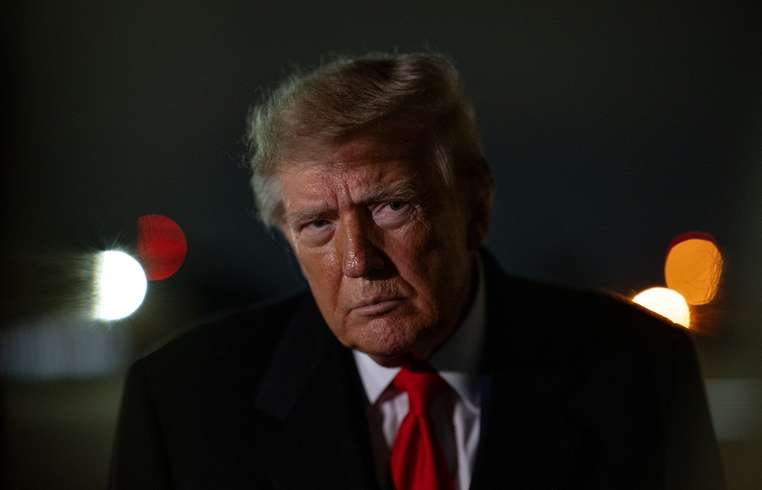
On November 5th, Wall Street experienced a significant downturn, marking one of the toughest trading days in its history. The Dow Jones Industrial Average fell by 1,833 points, while the S&P 500 and the Nasdaq Composite decreased by 335 and 1,422 points, respectively, the latter being the largest drop in its history. This drastic market shift came in the wake of the recent midterm elections. President Donald Trump took to social media, attributing the market's poor performance to the Democratic wins during the elections. He expressed his dismay by labeling this drop as 'one of the worst days in history' for the stock market. The president specifically highlighted the political shift at the gubernatorial level as a key factor, emphasizing the potential implications for the artificial intelligence (AI) sector, particularly in states crucial to AI data center expansions such as Texas, Georgia, and Ohio. Despite blaming election outcomes, the market fall encompasses deeper systemic issues. The U.S. stock market began 2026 with historically high valuations, and the Shiller Price-to-Earnings Ratio reached alarming levels not seen since the Dot Com Bubble. This ratio historically indicates that after peaking at such levels, markets tend to experience significant declines. Moreover, bond market signals have been pointing to potential trouble for several months. Many AI companies have resorted to debt offerings to finance their expansions. Bond prices for companies like CoreWeave, Nvidia, and Space Exploration Technologies have significantly dropped, raising concerns about the viability of these companies’ aggressive growth strategies. These signs highlight that the market's response wasn't solely election-driven but also rooted in overarching economic factors and investor sentiment. As such, while political changes will undoubtedly play a role in shaping policies and market directions, valuation concerns and bond market signals paint a broader picture of the uncertainties facing Wall Street.
About usyoo

Categories
Tags