News - Democrats Aim to Restore Temporary Protected Status for Haitians Amid New Majority
Business Strategy
Democrats Aim to Restore Temporary Protected Status for Haitians Amid New Majority
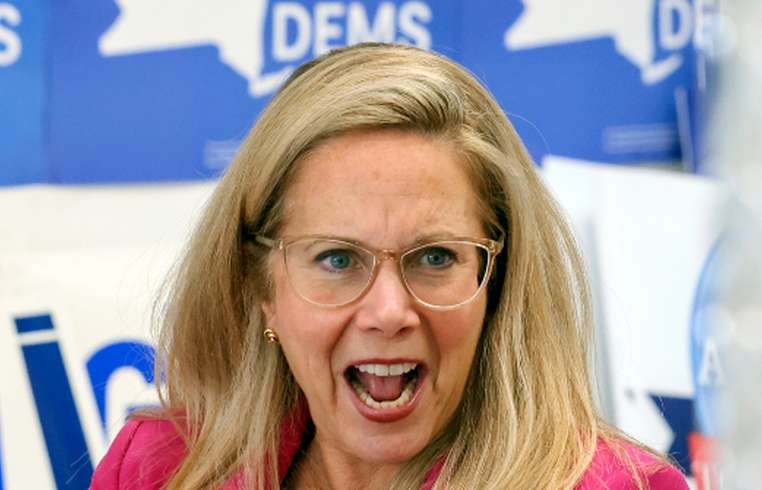
With a new Democratic majority in Congress, Representative Laura Gillen (D-NY) is advocating for the reintroduction of Temporary Protected Status (TPS) for Haitian migrants. Gillen highlighted the importance of this change, stating, 'The fight to protect our Haitian neighbors and pass my bill extending TPS for Haiti will gain even more momentum with a Democratic majority in Congress.' This momentum is supported by recent Democratic victories in both the House and Senate. Gillen's optimism relies on securing the necessary 60 votes in the Senate and is further dependent on President Donald Trump’s decision, as his veto power could affect the proposed legislation. The push for this legislation comes after a controversial Supreme Court decision in June, where a 6-3 vote supported the Trump administration's termination of TPS for around 450,000 Haitian migrants who entered the U.S. under the Biden administration. This ruling was viewed positively by some American communities affected by the Haitian migrant influx. For instance, in Springfield, Ohio, the decision is seen as potentially easing economic pressures like job competition and rising rents, exacerbated by the increase of Haitian migrants. Reports by Breitbart News indicate that the loss of TPS would remove Haitian migrants’ work permits, government aid, driver's licenses, and legal residency, creating challenges for their continued stay in the U.S. As a result, some employers might face liabilities for preferring Haitian workers over American ones. Similarly, local landlords might reduce rents as Haitian migrants leave the housing market. As the political landscape changes, Gillen’s efforts to extend TPS reflect broader immigration debates. Past reports, such as one from Breitbart News in August, highlight Haitian migrants’ increasing tendency to self-deport to Canada amid the cancellation of TPS under the Trump administration. This complex interaction of policy decisions, economic effects, and humanitarian concerns sets the stage for upcoming legislative battles over the future of Haitian migrants in the United States.
About usyoo

Categories
Tags