News - Escalating Threats: Russian Strikes Endanger Ukraine's Nuclear Safety
Business Strategy
Escalating Threats: Russian Strikes Endanger Ukraine's Nuclear Safety
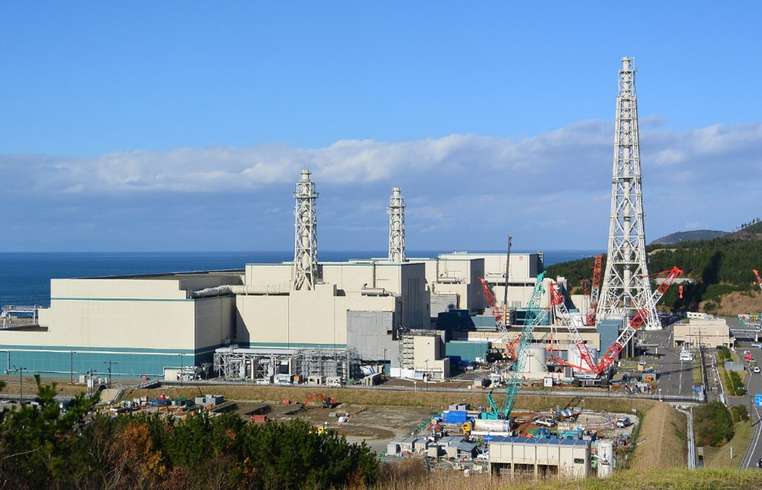
In a sweeping offensive on Ukraine's energy infrastructure, Russia deployed 289 drones, along with 17 ballistic and 59 cruise missiles, targeting various facilities. Of major concern, three drones were directed at a crucial substation for the Khmelnytskyi Nuclear Power Plant. Ukraine’s Energy Minister, Denys Shmyhal, emphasized the threat to not just Ukraine but Europe's overall nuclear safety, urging an international response. He highlighted the danger posed by these actions, which could escalate tensions regionally and necessitate an urgent reaction from global partners. This latest wave of attacks disrupted power distribution significantly across Ukraine, including in Kyiv, leading to emergency blackouts and affecting essential services such as water supplies. The Khmelnytskyi plant, with its two active reactors providing around 2,000 megawatts of capacity, plays a critical role in sustaining Ukraine's energy needs, particularly as other resources have been compromised. The strikes also disabled three thermal power plants managed by private company DTEK, intensifying the strain on the energy network as winter approaches. Ukrainian authorities and the energy company Ukrenergo reported over 20 assaults on their facilities within a 24-hour period, describing it as one of the most extensive attacks on the energy sector to date. Meanwhile, repair crews are working incessantly to restore power, prioritizing critical infrastructure to maintain essential services in the aftermath of the assault. The UN has expressed concern, suggesting these attacks could amount to crimes against humanity, as they not only threaten the region's stability but also deepen humanitarian crises amidst the ongoing conflict.
About usyoo

Categories
Tags